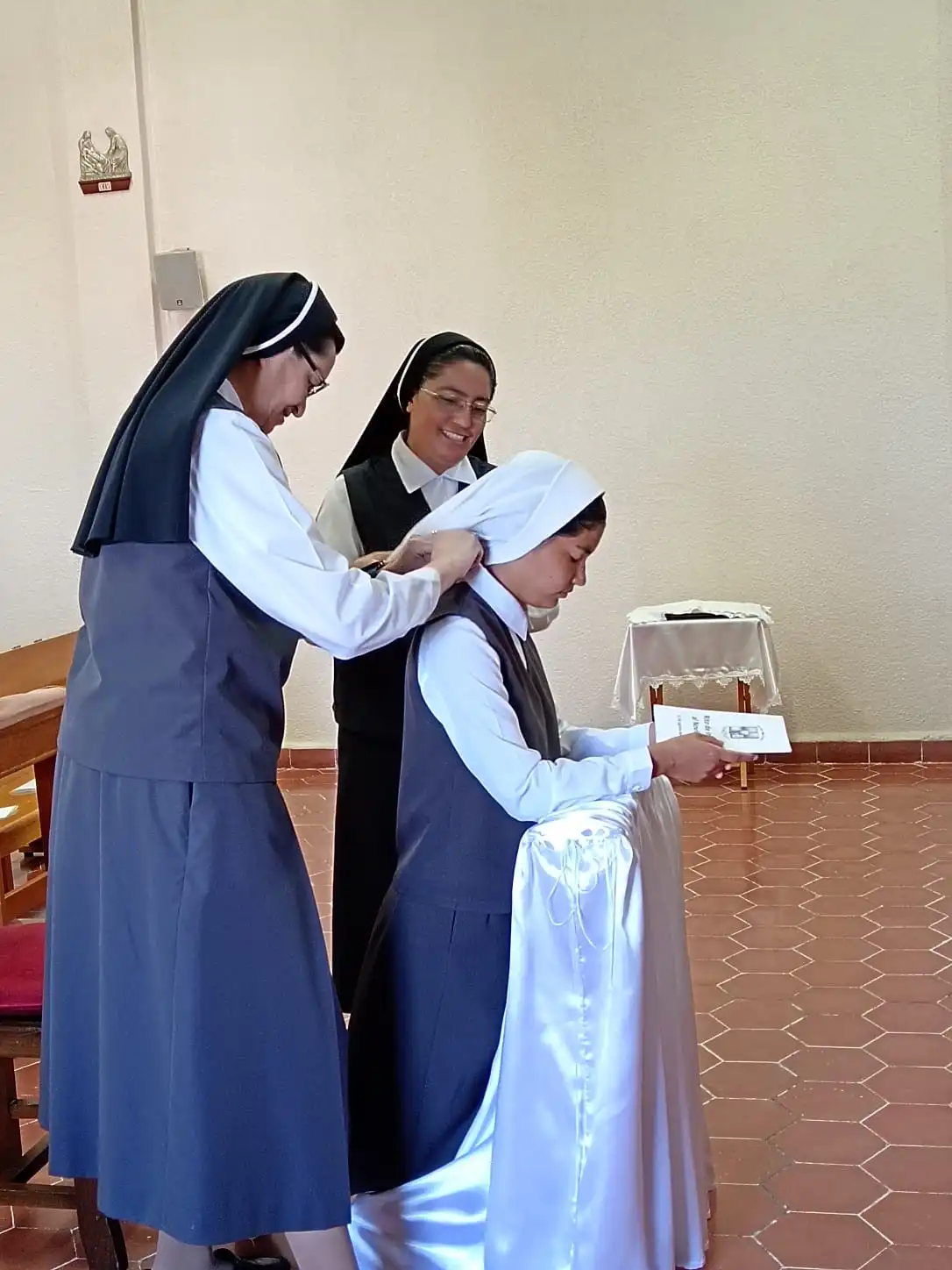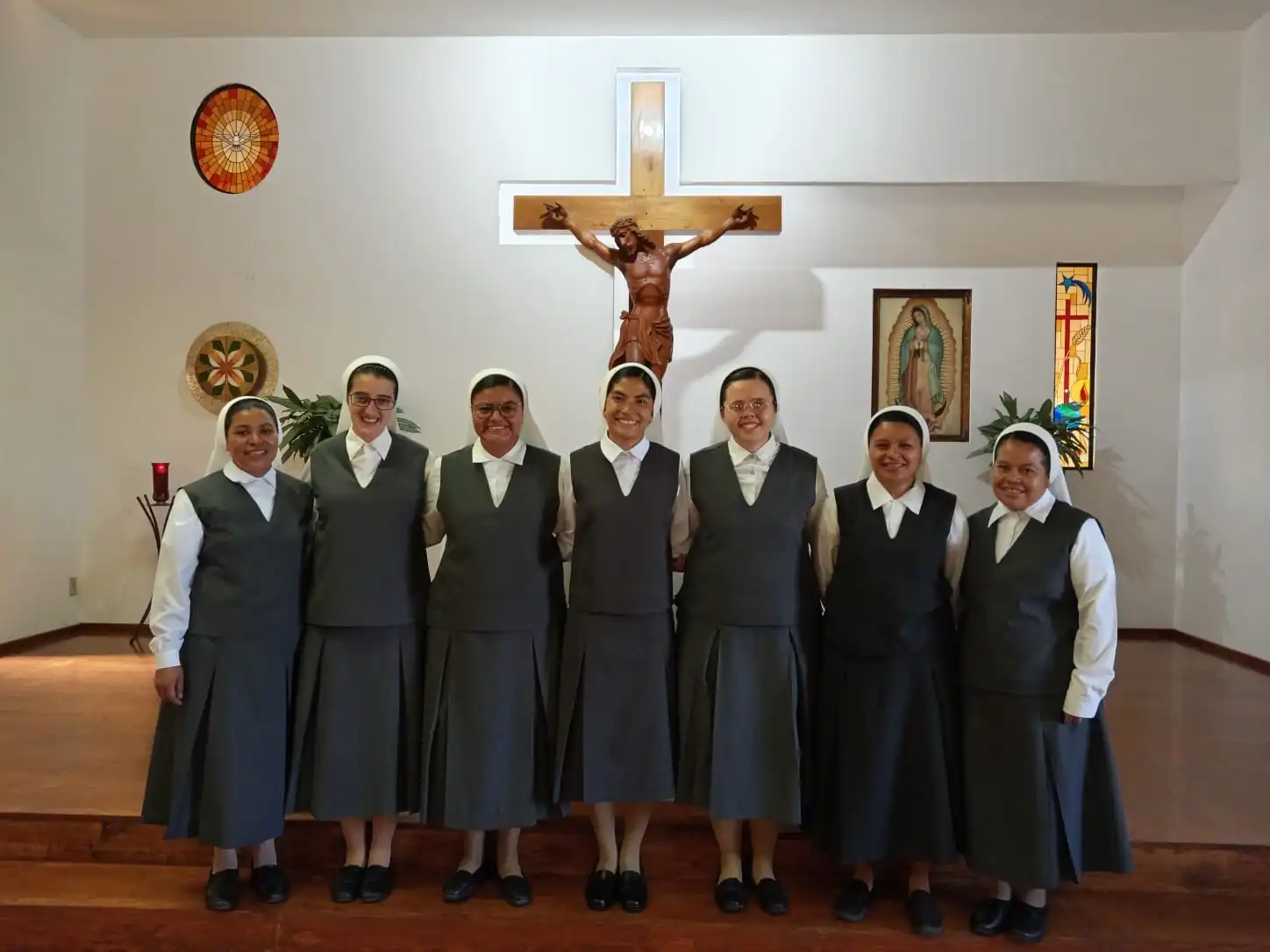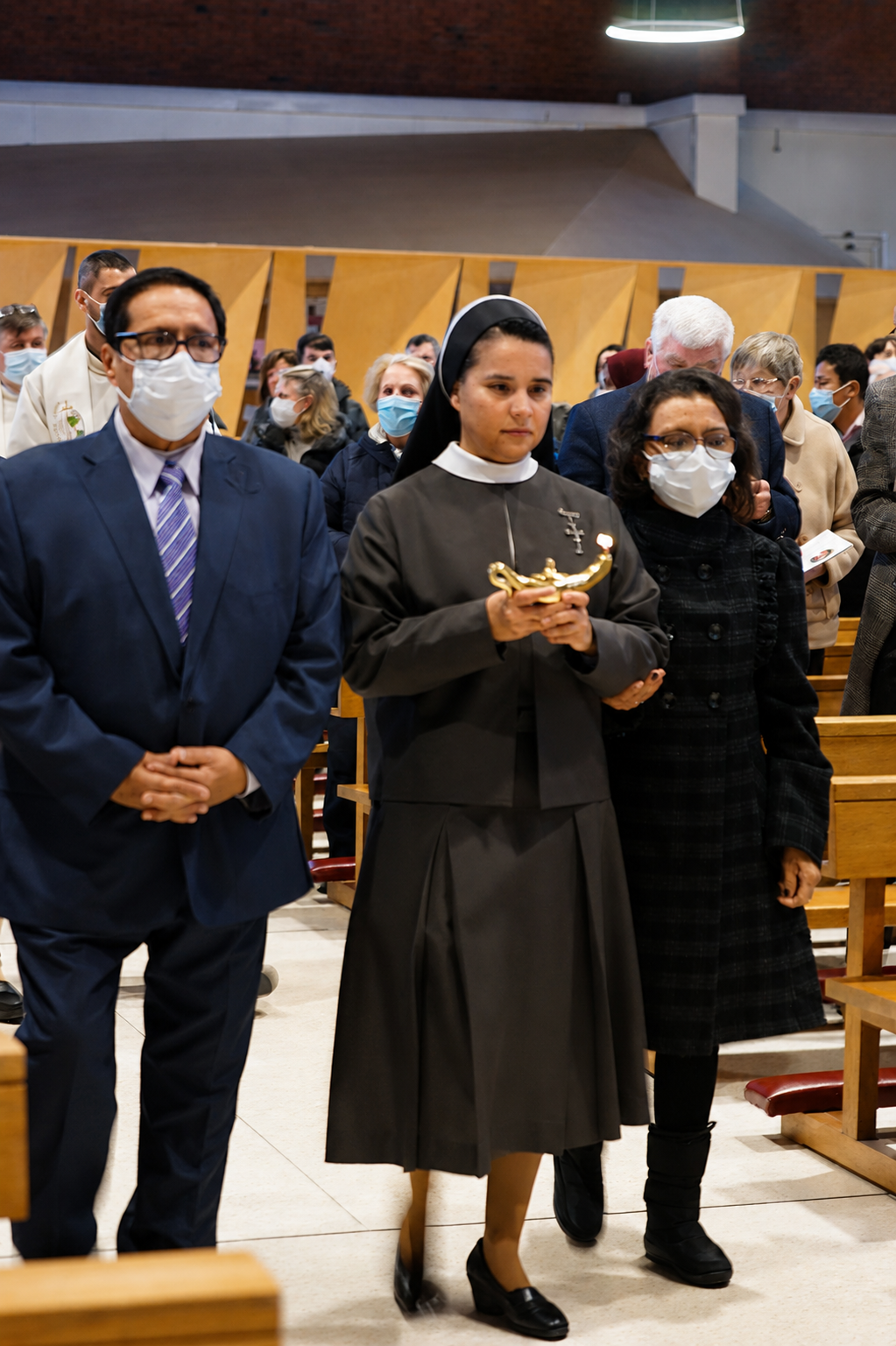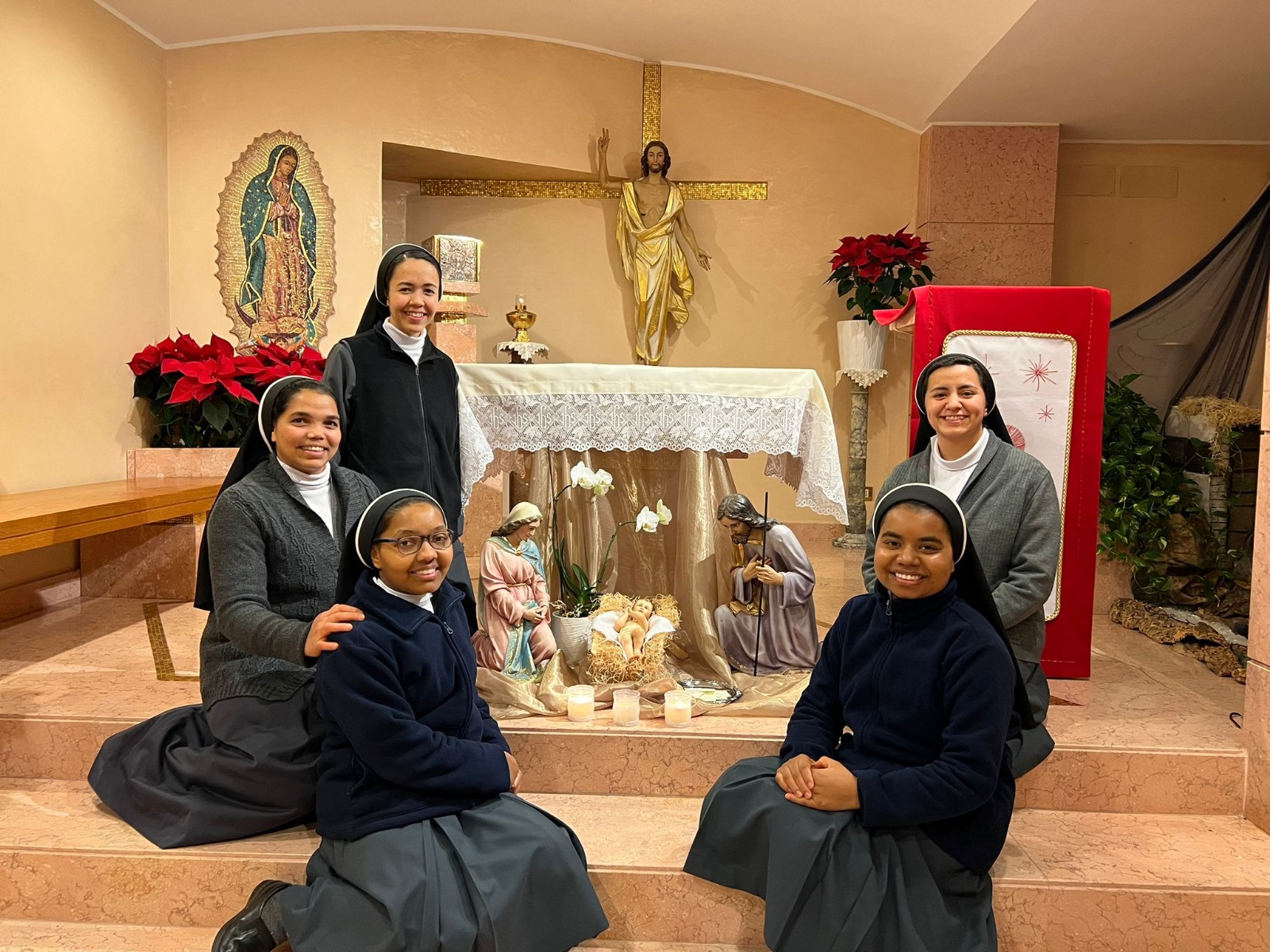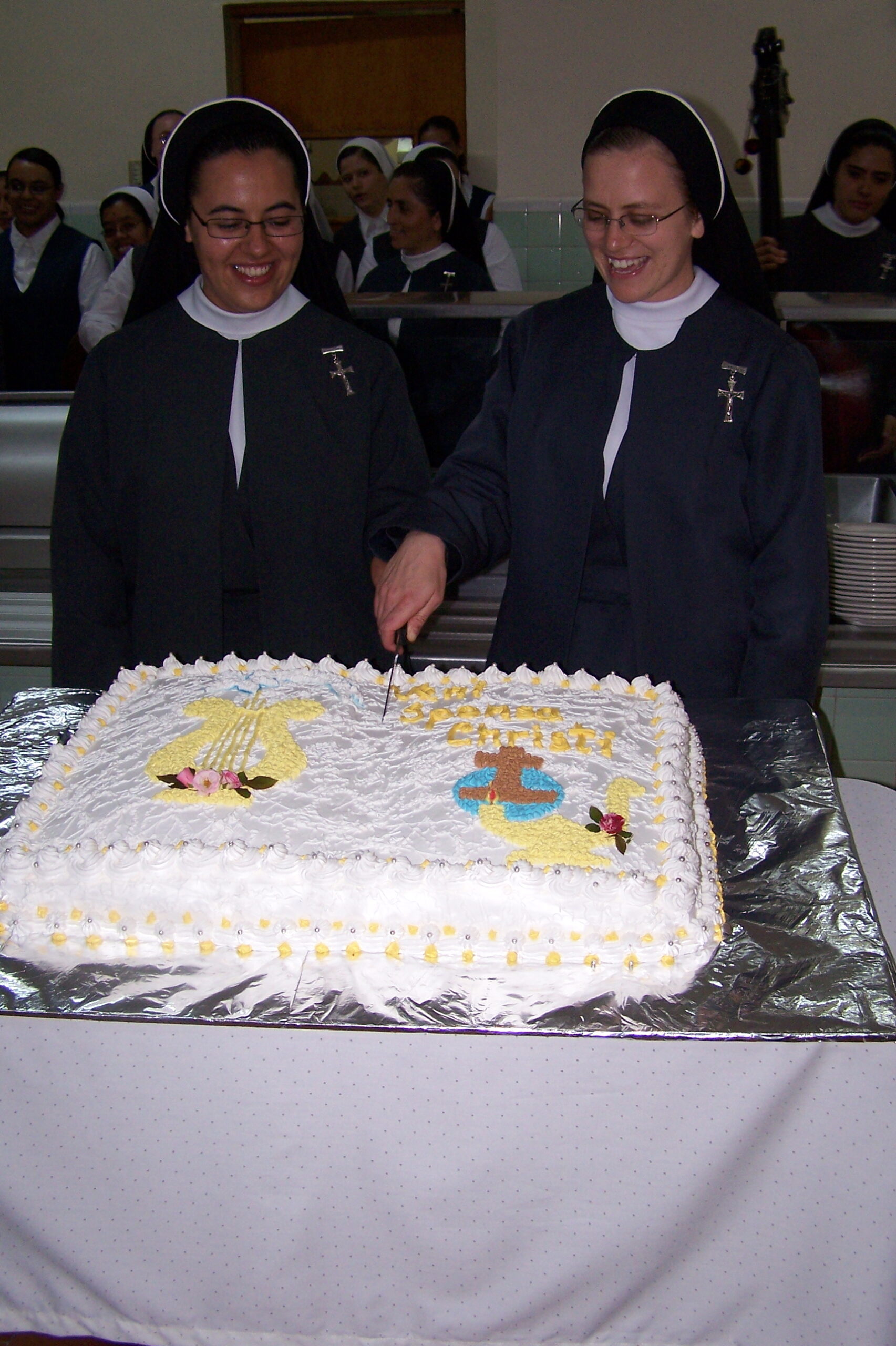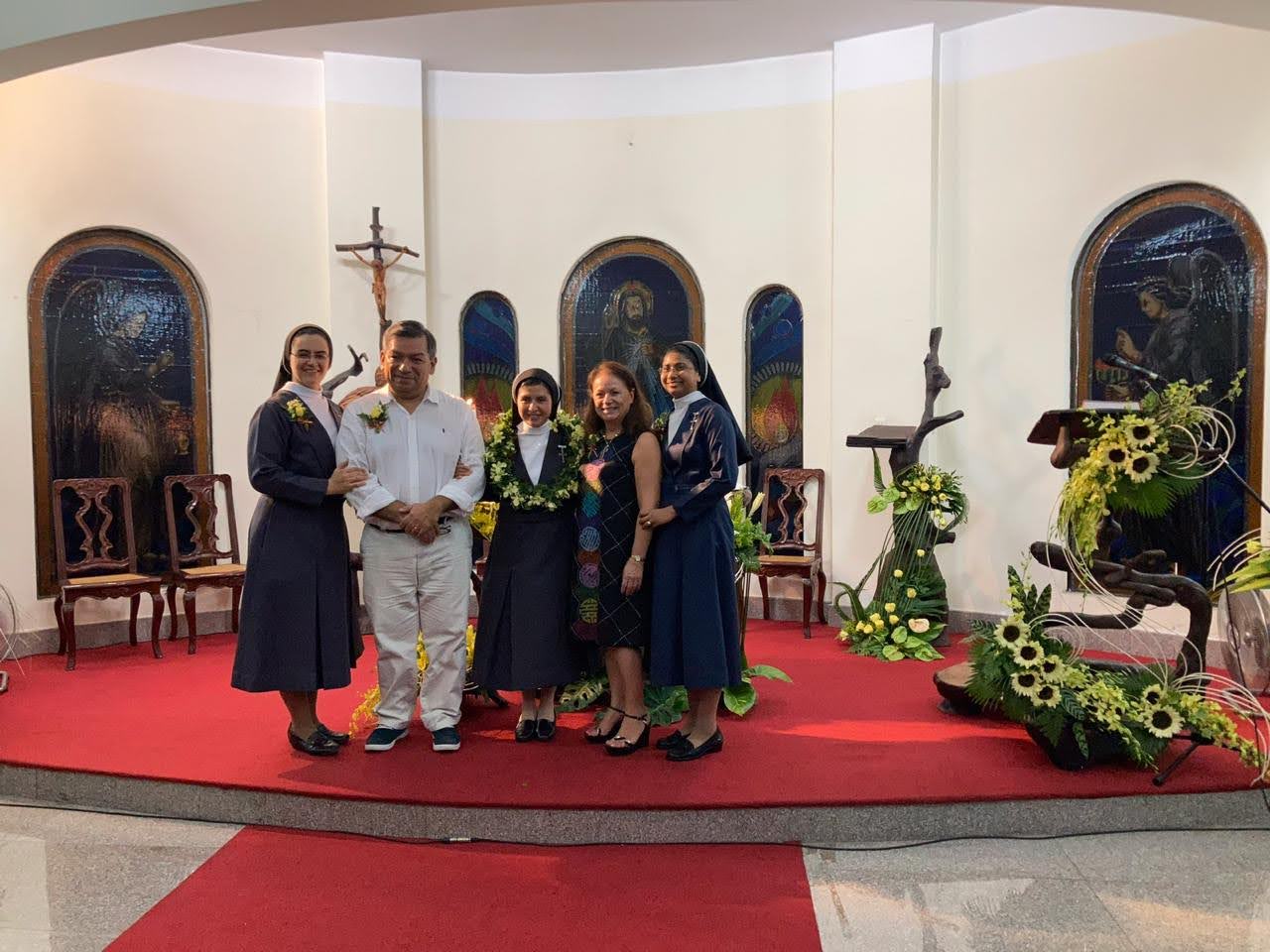
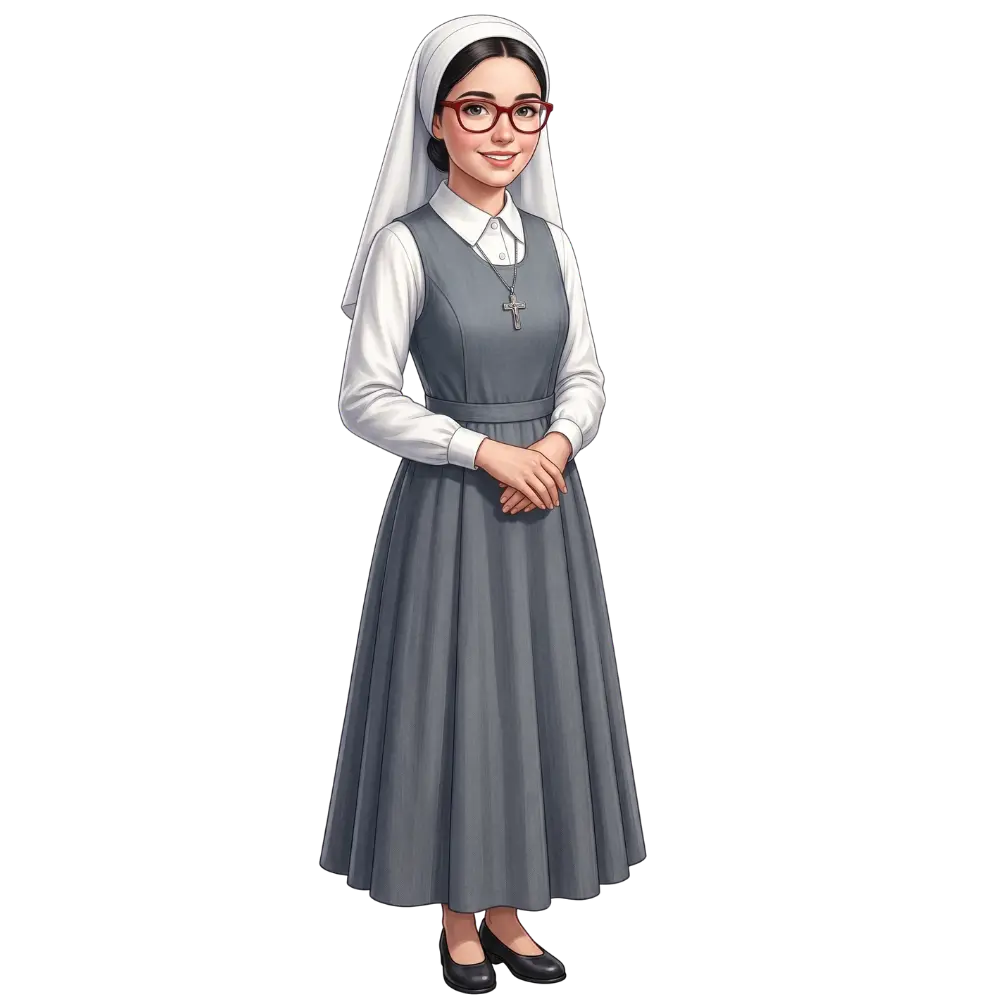
Tu vida en adelante debe ser un himno de amor y gratitud hacia Dios, que, te ha escogido para ser su esposa, su misionera; te ha distinguido entre millares de jóvenes.
“The young women whom the Lord Jesus chooses to form this Missionary Congregation must be impassioned with prayer, the wellspring of a fruitful apostolate. Their apostolic souls must find God everywhere: ‘In the poor they assist, in the unlearned they instruct, in the seas they cross.’” —Blessed María Inés
The stages of formation in the Congregation of the Clarisian Missionary Sisters of the Blessed Sacrament are as follows:
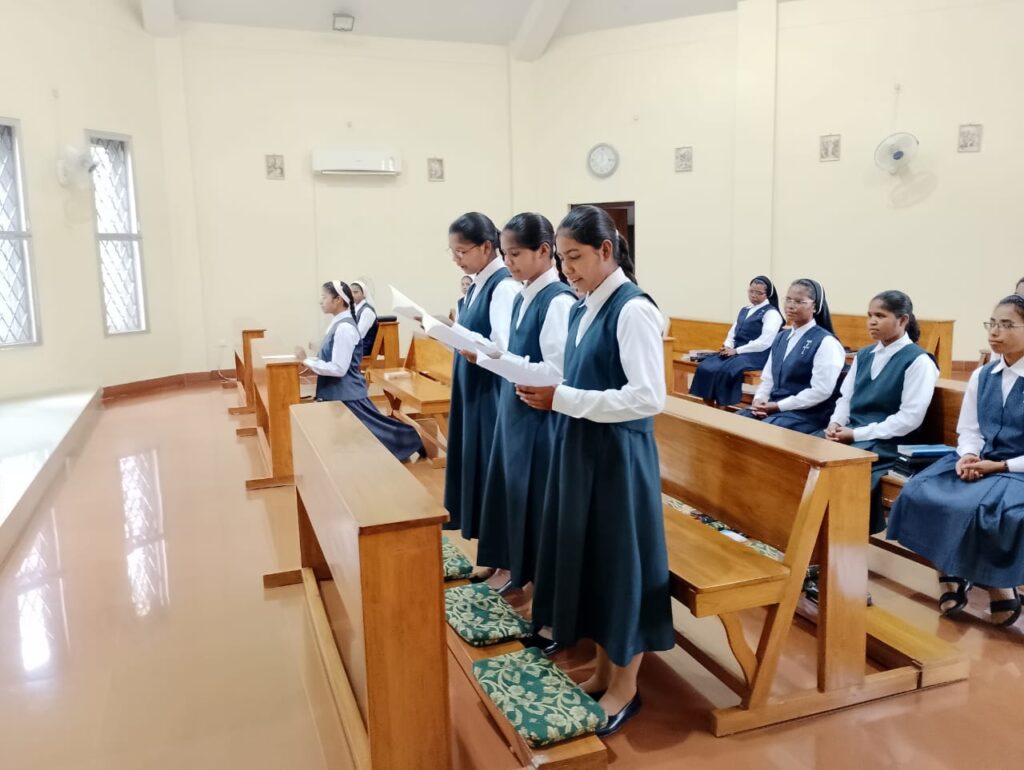
It is a time to gain a deeper understanding of religious life and to prepare oneself, both in faith and in knowledge, to discern whether or not to pursue this path. (Read more)
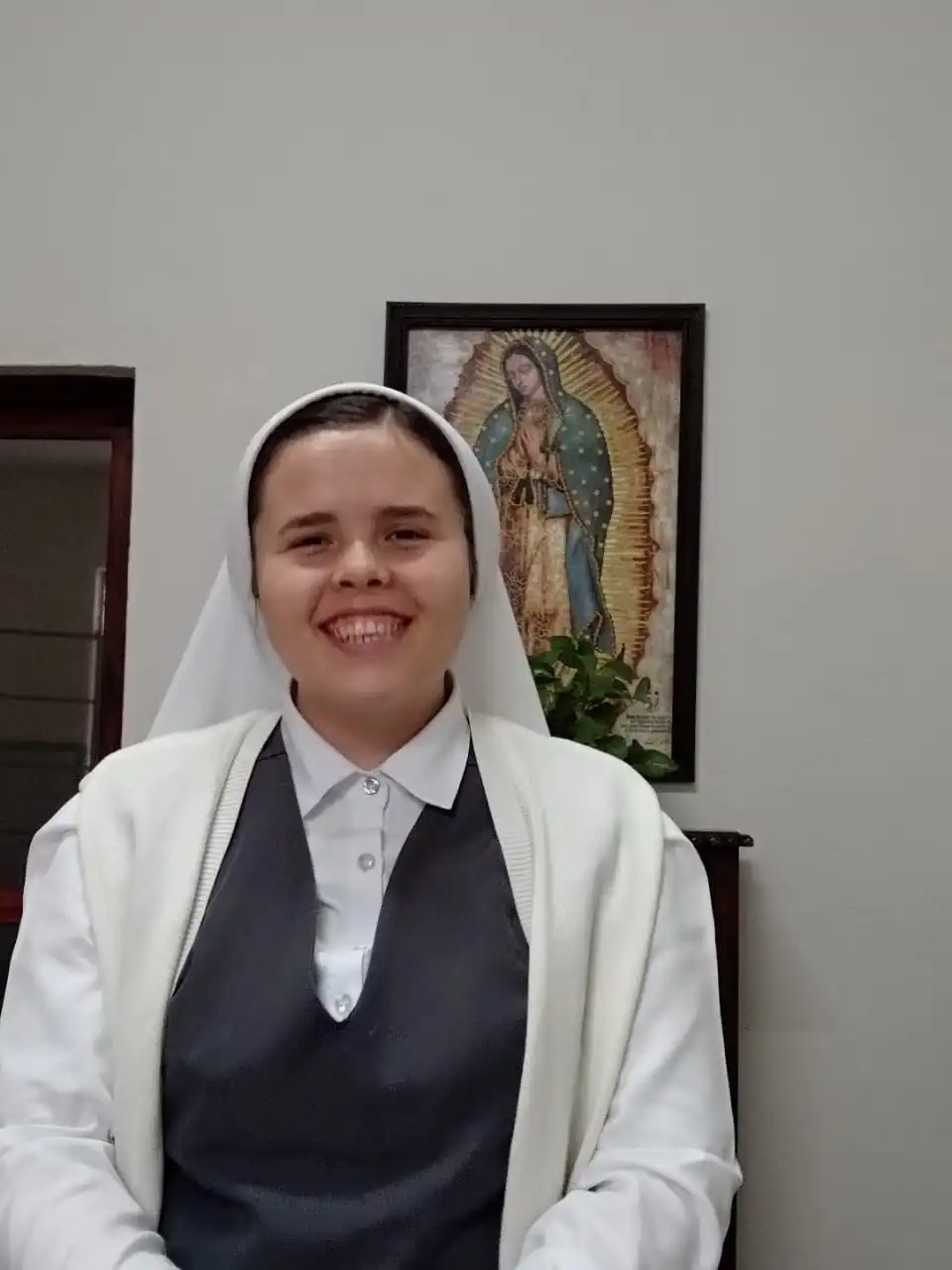
Aspirant: A young woman who, because she is a minor or due to another circumstance, cannot yet live within a community of the Congregation. She begins to prepare and reflect on entering religious life in our institute. This is the very first step, prior to postulancy. During this stage, she resides in her family home or occasionally in a convent of the Congregation, becoming familiar with this way of life.
Accompanied by a sister, the aspirant reflects and prays to discern whether she truly senses God’s call and desires to embrace this path.
Aprende cómo vive la congregación, sus reglas, misión y actividades.
She engages in readings and activities that deepen her faith and instruct her in the life of the Church and the values of religious life.
She is accompanied and counseled by an experienced sister throughout this discernment period.
She may join in times of prayer and activities with the community, even though she is not yet a formal member.
The duration of the aspirancy varies according to the young woman’s age and academic background. Upon concluding this period, the aspirant may proceed to the postulancy, provided she freely desires it and is formally accepted by the Congregation.
Hedal (Noviciado), Ranchi.
Madiun (Novitiate)
Cuernavaca (Novitiate)
Monrovia (Novitiate)
Santa Ana (Novitiate)
Sierra Leone: Lungi (Novitiate)
Nigeria: Obosi (Novitiate)
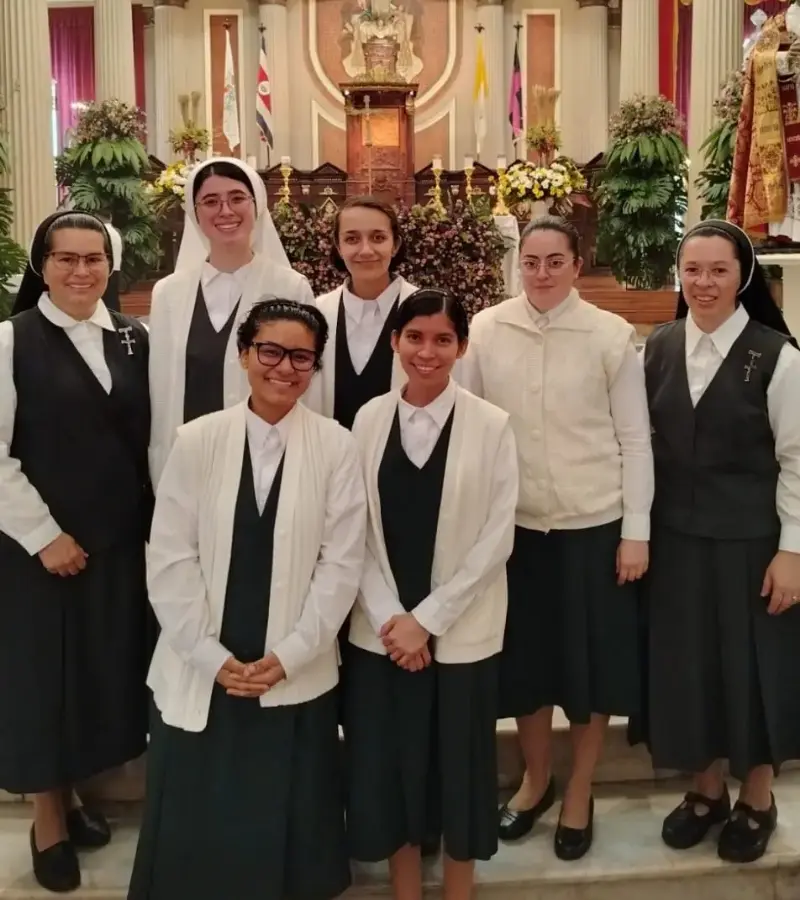
The postulancy is a time to live with the community, learn, pray, and discern with greater clarity whether she is called to pursue religious life. (Read more)
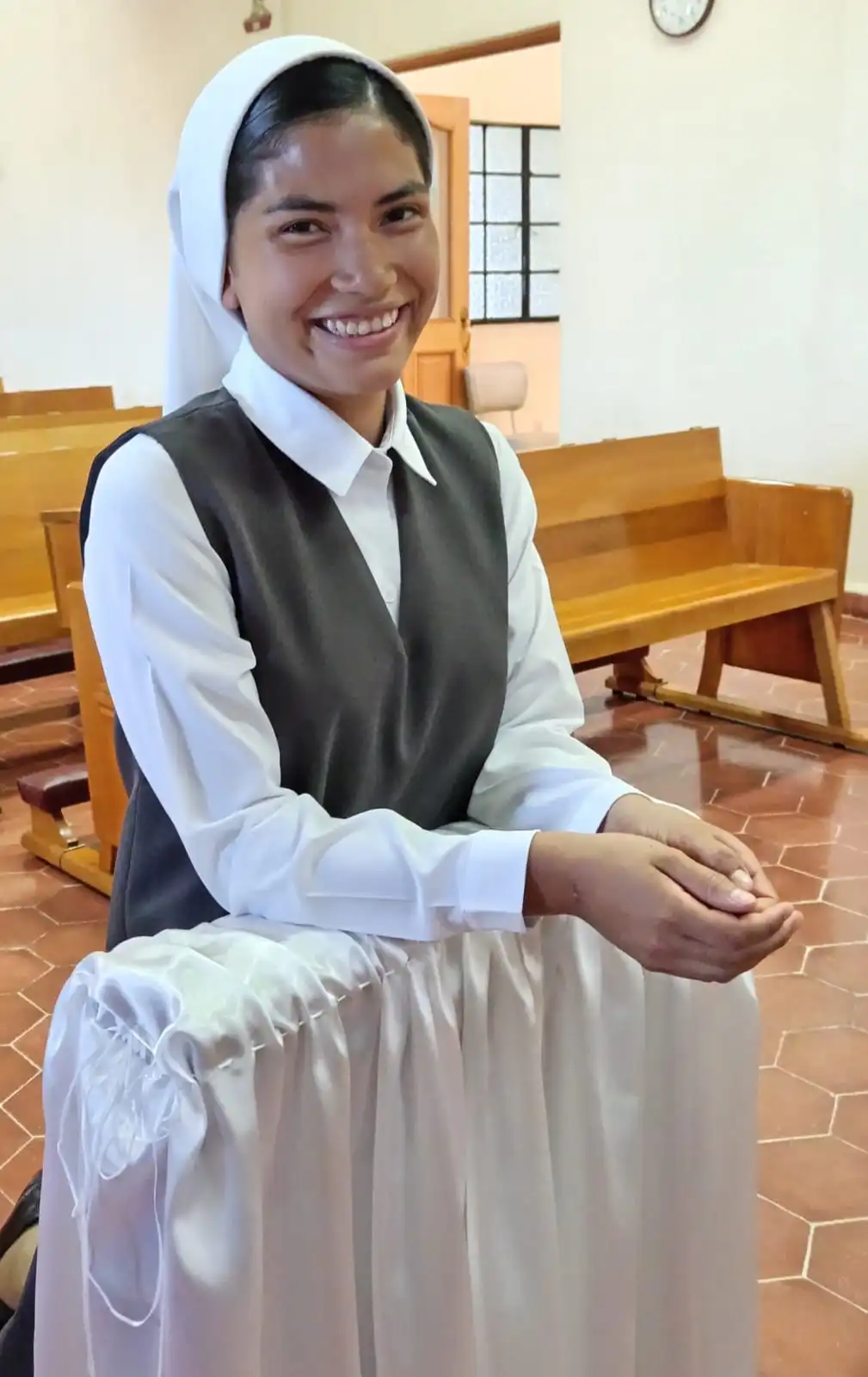
She is a young woman who has taken a decisive step toward religious life by requesting to enter this transitional stage prior to the novitiate. Living within the community, she prepares herself to follow Christ in the consecrated life. This stage lasts between six months and one year, during which she strives from the very beginning to embrace the deep desires of our Foundress, cultivating her spirit of joy, simplicity, and trust.
he novitiate is a time to be formed in the missionary spirit, extending one’s prayer to every corner of the world while living the congregation’s distinctive spirituality: MISSIONARY, MARIAN, SACERDOTAL, EUCHARISTIC, AND JOYFUL.
From the novitiate on, the young woman must fall in love with the contemplative life, striving not to wander from her interior recollectedness; for from that life of union with God, she will obtain all the graces needed to give her life for the salvation of souls.
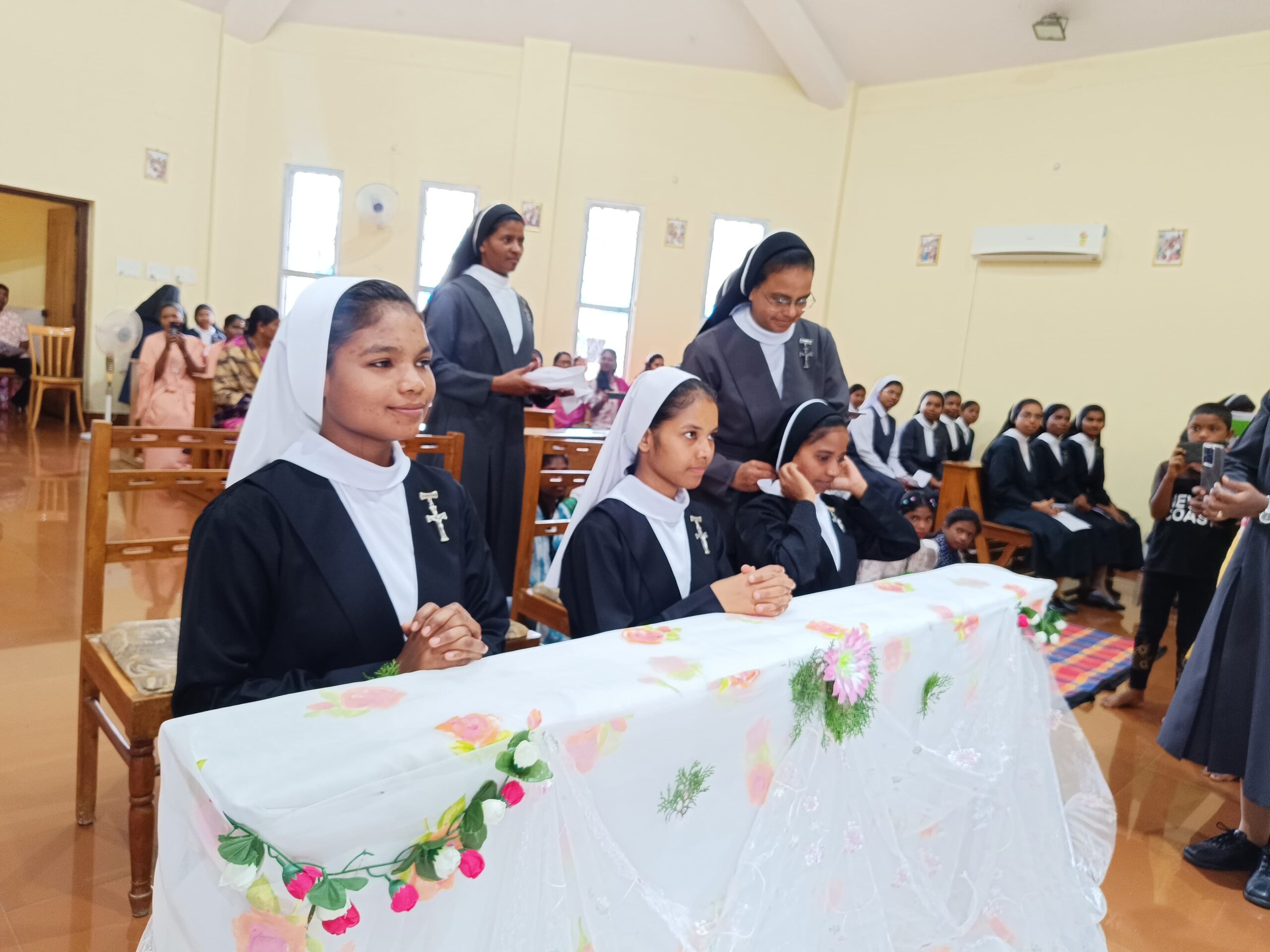
The purpose of the novitiate is to prepare the young woman to live a consecrated life. It is a time to deepen her understanding of the congregation’s charism and spirituality, as well as the evangelical counsels of poverty, chastity, and obedience. The novitiate lasts two years. Upon its completion, if the novice requests it and the congregation grants approval, she will profess her temporary vows.
Cultivating a deep relationship with God, setting aside unnecessary distractions.
Reading and meditating on Sacred Scripture, especially the Gospels.
Studying core subjects such as Dogmatic Theology, Moral Theology, Sacraments, Liturgy, Church History, Missiology, Catechetics, and Theological Anthropology, among others.
Learning to live each day with humility, patience, joyful dedication, and service to others.
In a nutshell: Temporary vows are a sincere commitment to God and the community for a set period, allowing the sister to continue growing and discerning before making her final commitment.
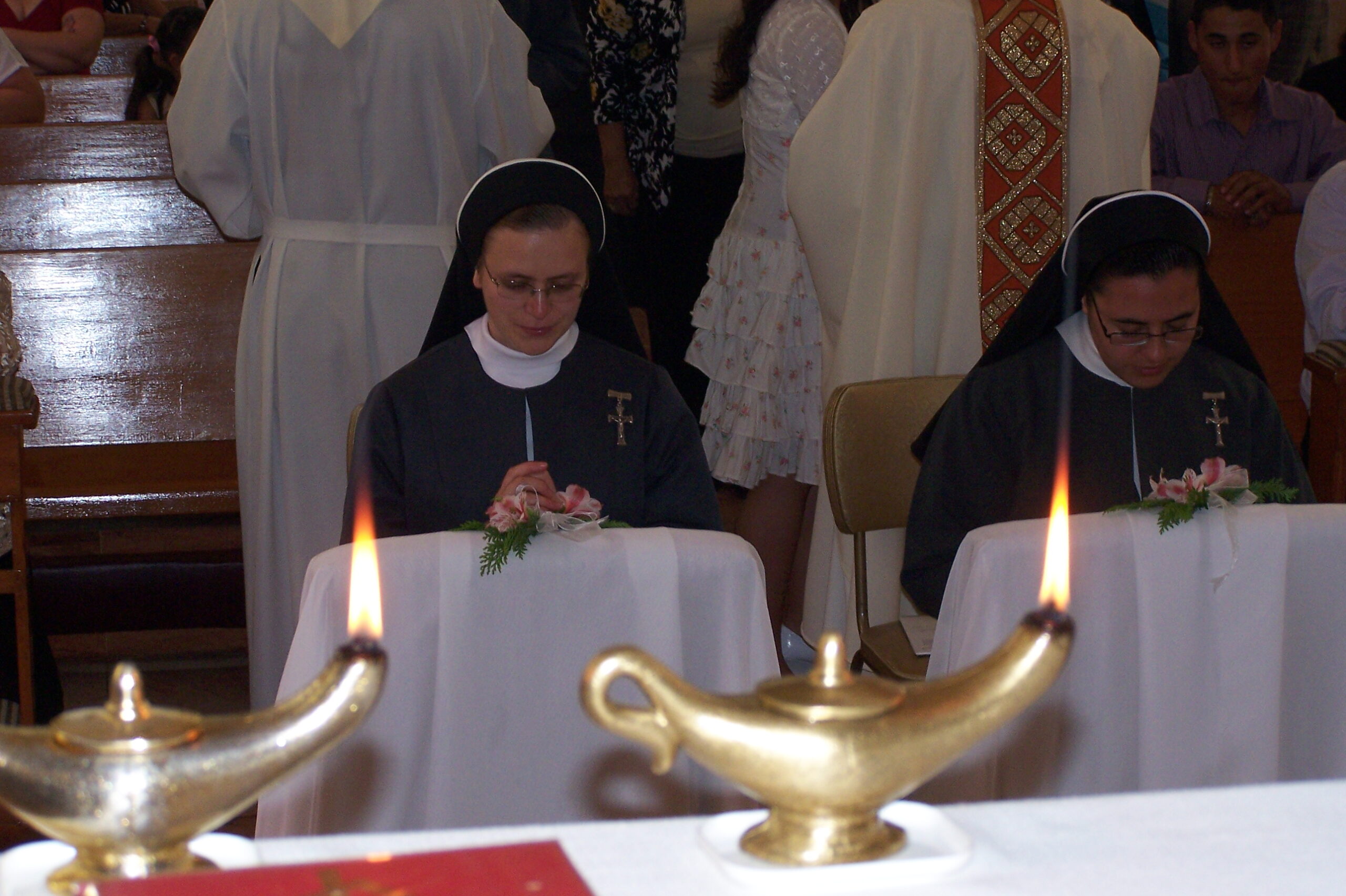
Following the novitiate, the next stage is Religious Profession, where the novice makes a public commitment before God and the Church to live in CHASTITY, POVERTY, AND OBEDIENCE for a period of three years. During this time, her faith and vocation will mature and be strengthened to take the definitive step. At the end of these three years, the professed sister renews her vows for an additional three years, continuing to cultivate the practice of her vows along with the spirit of faith, hope, and charity.
These are promises made to God of poverty, chastity, and obedience for a specified period within religious life. Unlike perpetual vows, they are not lifelong; instead, they are renewed periodically (generally spanning between three and nine years, depending on the congregation).
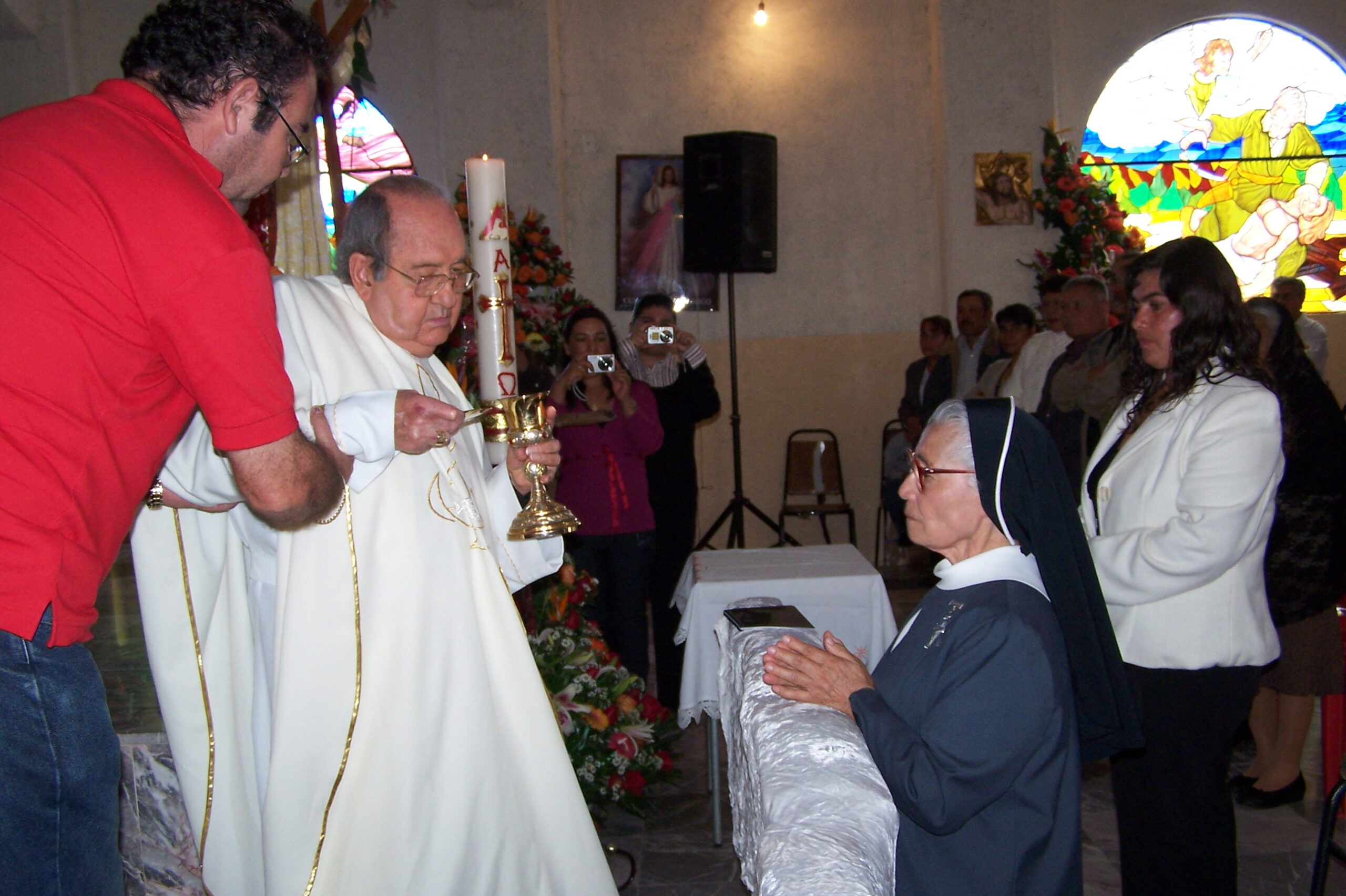
At last, the day of her definitive self-giving to the Lord arrives. From that day forward, nothing belongs to her, nothing binds her to the world; her entire being belongs to God, and she dedicates herself wholeheartedly to serving her brothers and sisters according to her gifts and the mission of the Congregation of the Clarist Missionaries, for the glory of God and the salvation of souls.
They are lifelong promises made to God, the Church, and the community by a consecrated religious. They represent a total and definitive self-giving to live according to the three vows of obedience, chastity, and poverty. This perpetual profession is like a “spiritual marriage” to God.
San José fue el esposo de la Virgen María y el padre adoptivo de Jesús. La Biblia nos lo presenta como un hombre bueno, justo y trabajador. Era carpintero y artesano, y con su esfuerzo cuidó y sostuvo a la Sagrada Familia.
Su vida nos enseña el valor del trabajo hecho con amor y dedicación, y cómo desde lo sencillo se puede colaborar en los planes de Dios.
San José es patrono de toda la Iglesia, y también es copatrono de nuestra Congregación, las Misioneras Clarisas del Santísimo Sacramento. Desde los inicios, Madre María Inés lo eligió como protector de esta obra misionera, confiando en su ayuda y guía para acompañar a los misioneros en su camino.
Hoy seguimos sintiendo su cercanía, su silencio lleno de fe y su protección como padre amoroso.
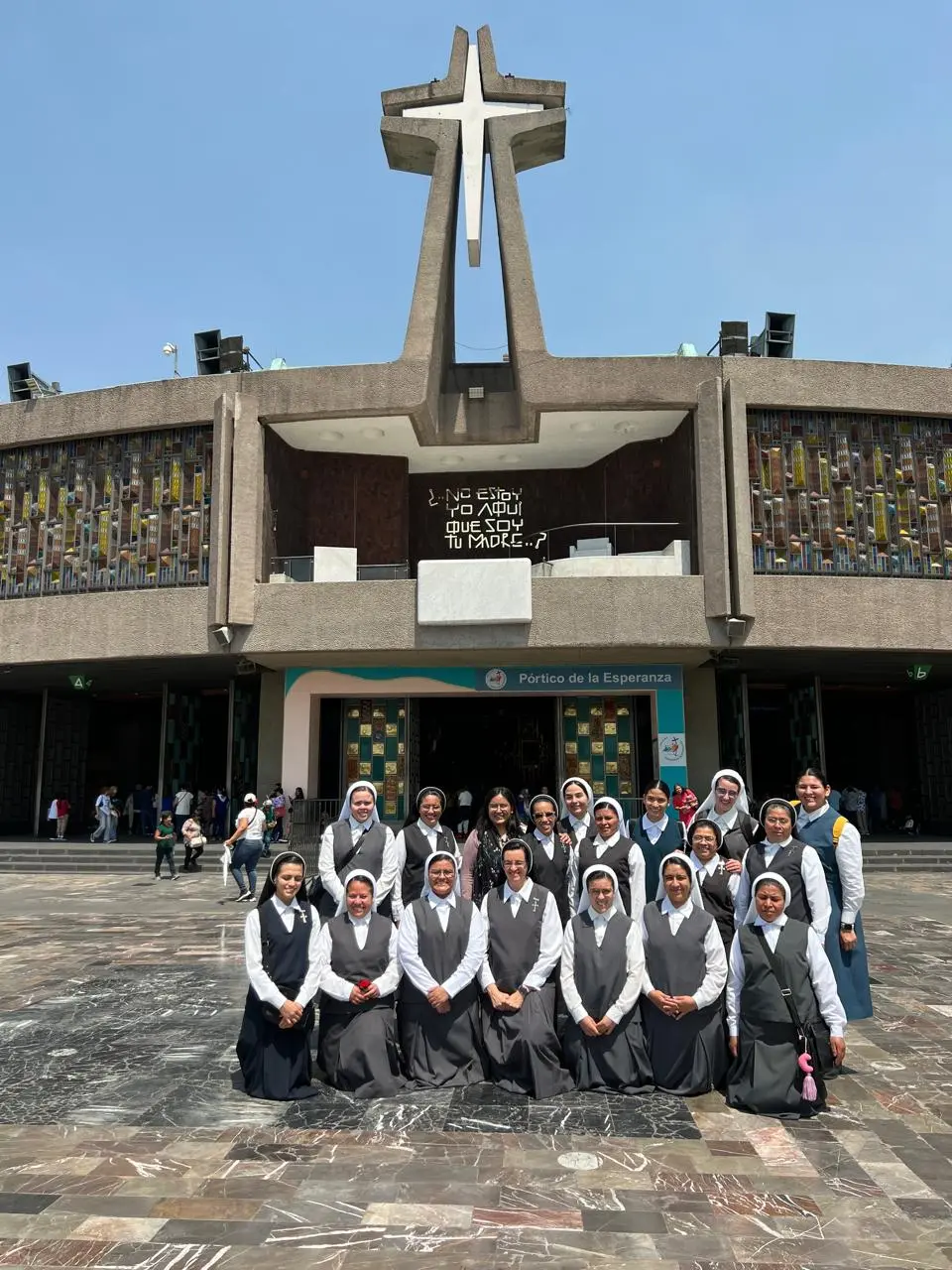
La Virgen de Guadalupe se apareció en 1531 a Juan Diego, un hombre sencillo y creyente, en el cerro del Tepeyac (hoy parte de la Ciudad de México). Le pidió que se construyera un templo en ese lugar, como muestra de su amor y cercanía con su pueblo.
Desde entonces, la Virgen de Guadalupe es una madre muy querida, especialmente por los pueblos de América Latina. Ella es un símbolo de consuelo, esperanza y ternura para quienes confían en su intercesión.
Para nosotras, las Misioneras Clarisas del Santísimo Sacramento, la Virgen de Guadalupe tiene un lugar muy especial. El 12 de diciembre de 1930, durante su profesión religiosa, nuestra fundadora Madre María Inés Teresa vivió una experiencia espiritual profunda: sintió en su corazón que la Virgen le prometía acompañarla en su misión y darle las gracias necesarias para tocar los corazones de muchas personas
Desde ese día, María de Guadalupe es nuestra patrona y madre espiritual, y sabemos que camina con nosotras en cada paso de nuestra vocación misionera.

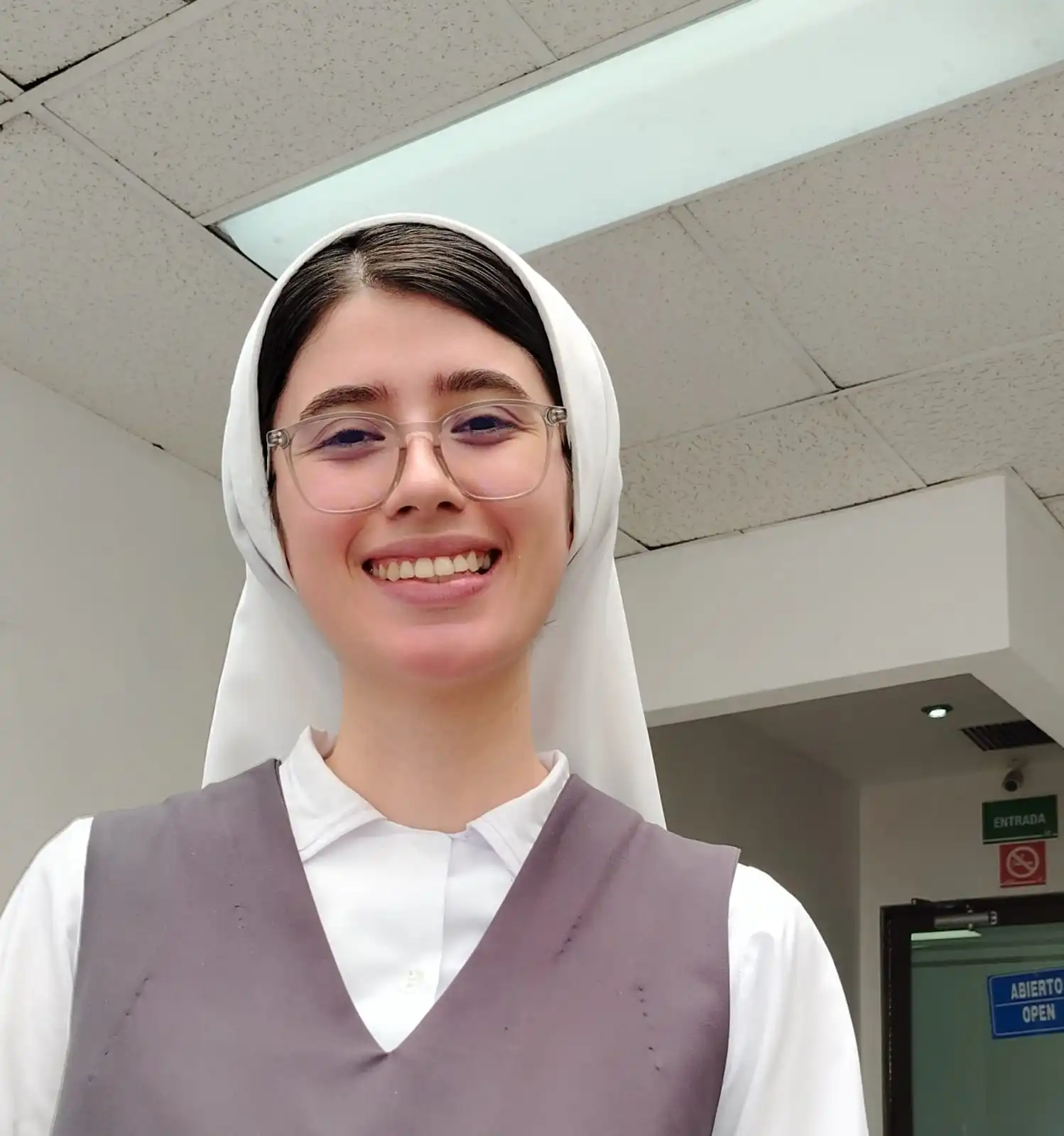
La alegría es una marca que queremos llevar siempre. Nuestra sonrisa no es solo por fuera, es una expresión de lo que sentimos por dentro: una gratitud profunda por ser llamadas por Dios y amadas por Él. Esa alegría brota de sabernos suyas, de saber que nuestra vocación es un regalo.

Para nosotras, Jesús en la Eucaristía lo es todo. Él es quien nos guía, quien nos ama y nos da fuerza. La misa, la adoración, y todo lo que rodea al Santísimo Sacramento es el centro de nuestra vida. Es el alimento que nos nutre el alma y el corazón.

Tenemos un cariño muy especial por la Virgen María. Ella es nuestra Madre, nuestra guía y nuestro refugio. En especial, reconocemos a la Virgen de Guadalupe como nuestra patrona. A Ella le confiamos nuestros sueños, nuestras misiones y la conversión de las almas.

Nuestra forma de ser misioneras no siempre es viajando o predicando con palabras. Muchas veces nuestra misión es rezar, ofrecer sacrificios y estar disponibles para ayudar en la conversión de los corazones. A través de la oración y el servicio, buscamos acercar a las personas al amor de Dios.

Sentimos que Jesús nos invita a seguirlo muy de cerca, como lo hizo en su vida pública, entregándose completamente a los demás. Nosotras también queremos vivir así: dándonos sin reservas y agradeciendo la oportunidad de ofrecer nuestra vida por amor, igual que lo hizo Él. Queremos ser una especie de “ofrenda viva”, unidas a Jesús Sacerdote, para el bien de todos.
Notifications