Give me souls, Jesus, and send me whatever sorrows and labors You will! There is no fear that I shall abandon them, as long as Your grace does not fail me.” — Blessed María Inés
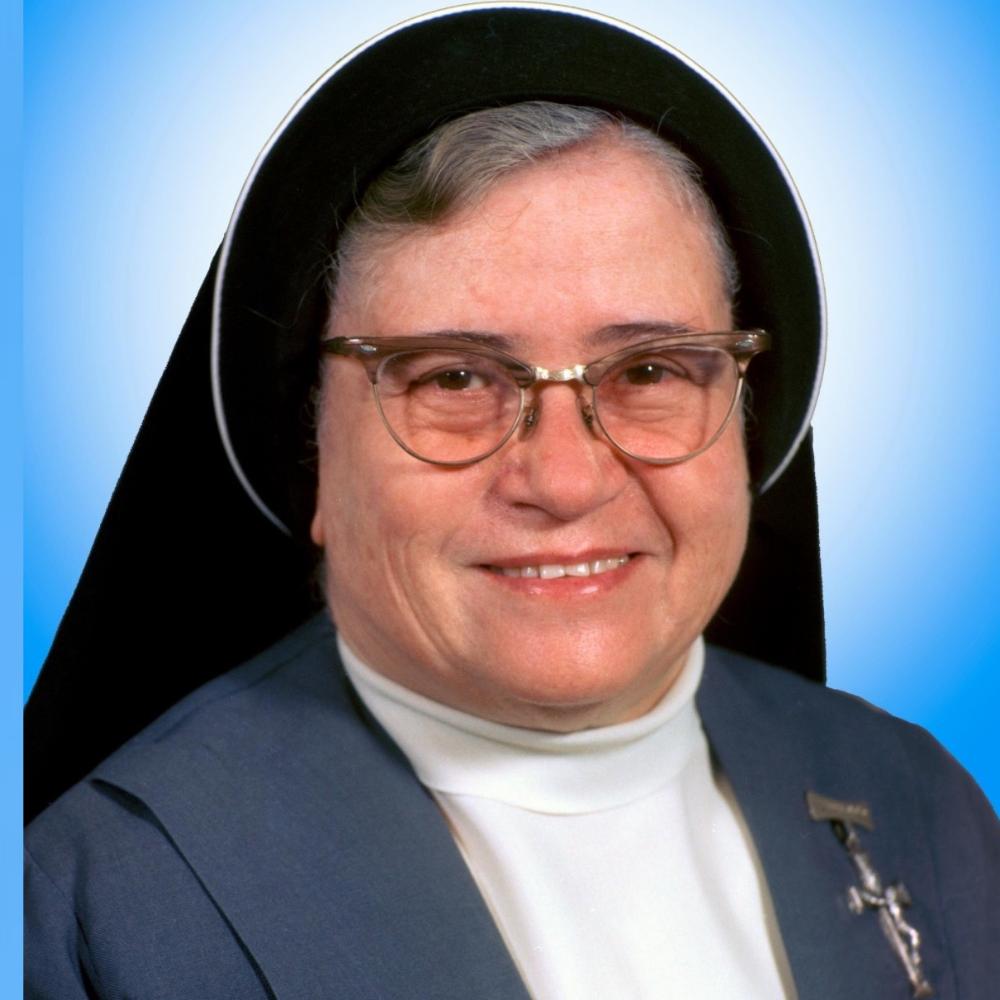
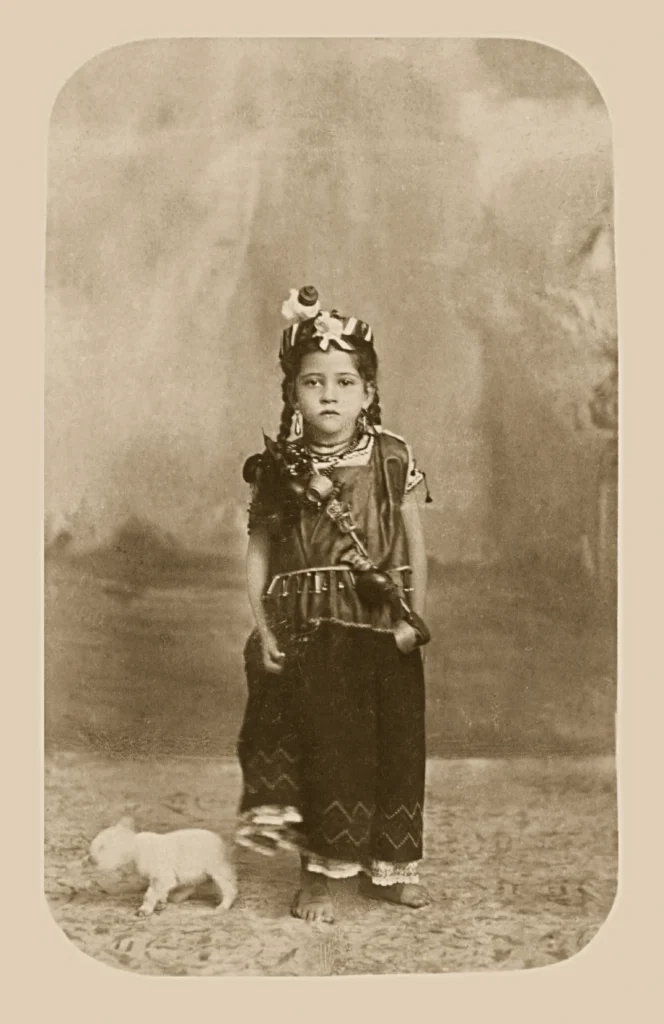
María Manuela de Jesús Arias Espinosa was born in Ixtlán del Río, in the state of Nayarit, Mexico, on July 7, 1904. The Arias Espinosa family, originally from Guadalajara, Jalisco, was in Ixtlán del Río due to her father’s work. Manuelita was baptized in the parish of St. James the Apostle two days after her birth.
Manuelita spent her childhood and youth in the cities of Guadalajara and Ciudad Guzmán, alongside her parents and siblings. On December 8, 1911, she made her First Communion in the city of Guadalajara.
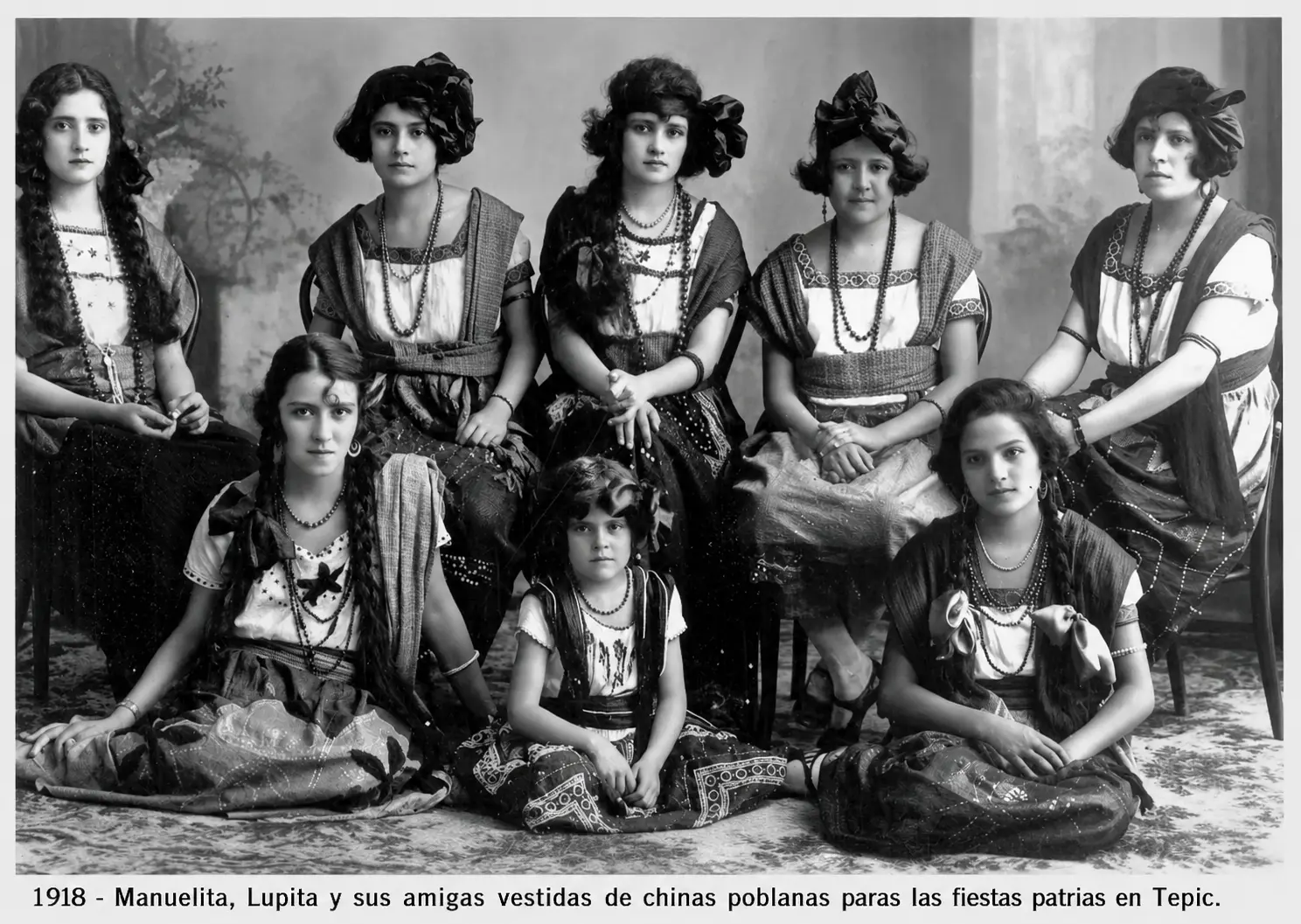
In September 1924, a friend lent her the book of Saint Thérèse of the Child Jesus. While reading Story of a Soul, she wrote: ‘…I not only found my vocation, but God in a very special way within me.
En octubre de ese mismo año, durante el Congreso Eucarístico Nacional celebrado en Colima, México, Manuelita tuvo un fuerte encuentro espiritual con Jesús Sacramentado, que ella llamó su ‘momento de conversión’, como lo leemos en su diario:
Jesus in the Eucharist, passing close to me, cast upon my soul one of those glances that hold the power to move, to transform. ‘Follow me,’ His lips uttered no other word, and at once my heart went after Him
The suspension of public worship in 1926 struck a note of sorrow and of hope in her life; regarding this, she wrote:
…after much interior sorrow, given my soul’s growing longing to be entirely His, I was finally able to enter the community of the Clarisses of the Blessed Sacrament, who were living in exile in Los Angeles, California, due to the religious persecution in Mexico.
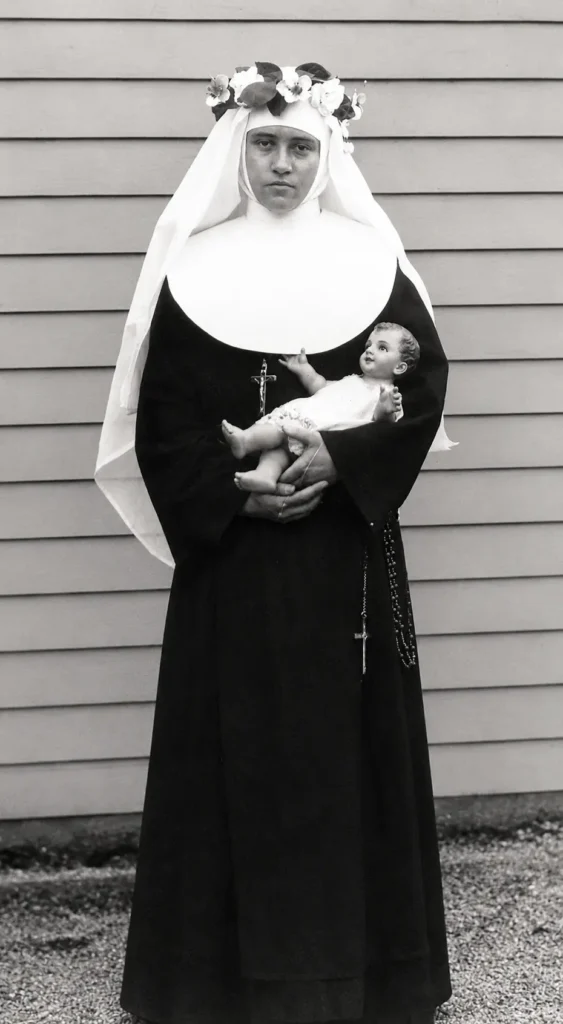
In 1929, she entered the Monastery of the Clarisses of the Blessed Sacrament, which was in exile in Los Angeles, California. Upon clothing herself in the habit of the Franciscan Order on December 8, she was given the name María Inés Teresa of the Blessed Sacrament.
On December 12, 1930, she professed her temporary vows at the Mission Church of St. Turibius in Los Angeles, California, before the image of Our Lady of Guadalupe. The overflowing joy in her soul is reflected in these words:
That day she [Our Lady of Guadalupe] made me a promise… and I solemnly promised her in the depths of my heart that I would make her loved by the whole world…
She lived as a Clarisse of the Blessed Sacrament for sixteen years, as we read in her writings:
“…and it was during this time that my desire to be a missionary matured more and more, not only through hidden prayer and sacrifice, but through the longing to carry out what Saint Paul so earnestly urges us: to send evangelizers to non-Christian lands, and thus win many souls for God.”
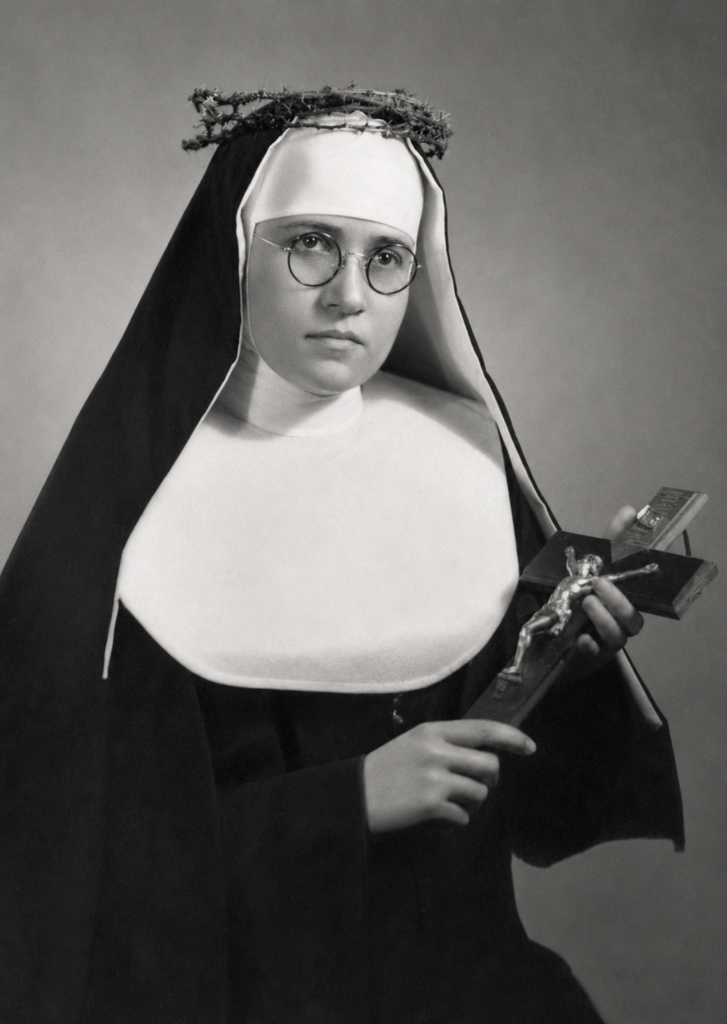
On December 12, 1930, she made her temporary vows at the Mission Church of Saint Toribio in Los Angeles, California, before the image of the Most Blessed Virgin of Guadalupe. The joy that filled her is reflected in these words:
She lived as a Clarisse of the Blessed Sacrament for sixteen years, as we read in her writings:
“…and it was during this time that my desire to be a missionary matured more and more, not only through hidden prayer and sacrifice, but through the longing to carry out what Saint Paul so earnestly urges us: to send evangelizers to non-Christian lands, and thus win many souls for God.”
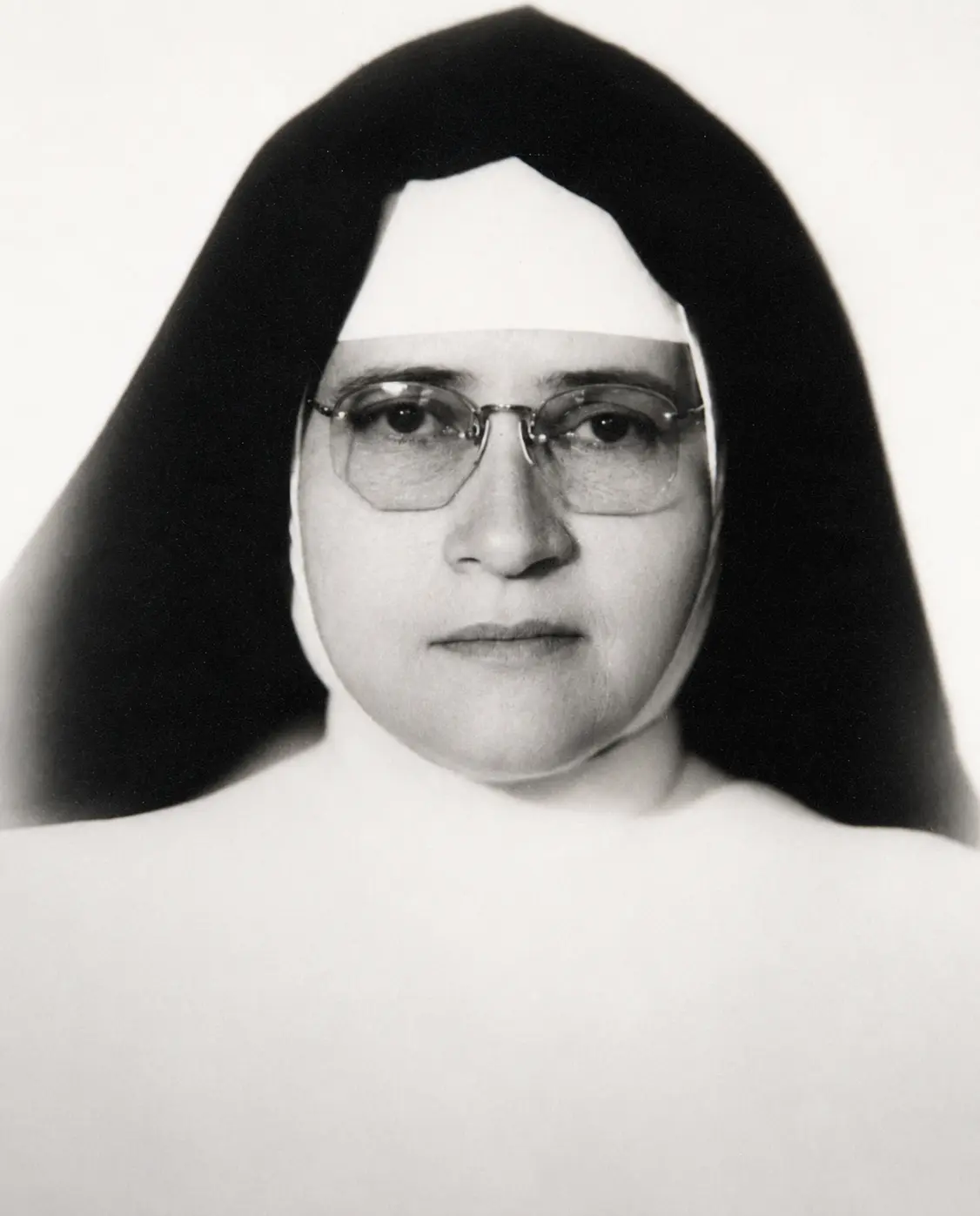
Regarding this moment, Mother Inés wrote:
“It was a very great reassurance for my soul to have the approval of my Superior and the entire community council. The Most Reverend Francisco González Arias, Bishop of Cuernavaca, upon hearing my desire to found a missionary work, welcomed it from the very first moment and himself sent the petition to the Holy See requesting the permission.”
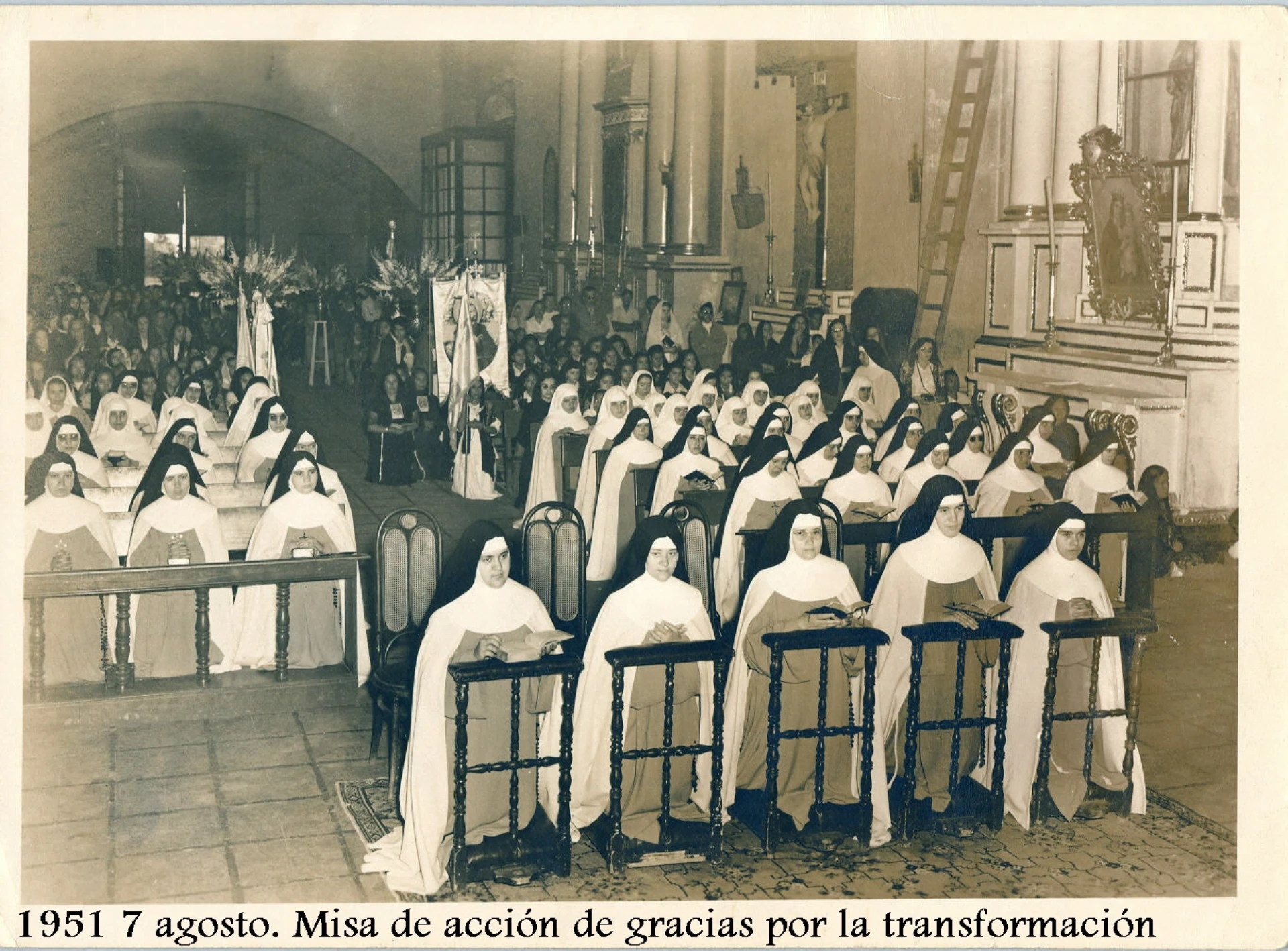
On June 22, 1951, the Holy See granted the transformation of the Clarisses of the Blessed Sacrament into a missionary congregation of Pontifical right, under the name of Clarisse Missionaries of the Blessed Sacrament. At the same time, the Clarist Vanguards / VanClar (lay missionaries) were also born. The joy of Mother Inés is conveyed in these words:
“…And the moment came to depart in every direction, thus beginning the series of foundations among Christians and non-Christians: ‘Take me, Lord, as an instrument of Your glory, and lead me… You will not regret having sent me… I want to make You loved so very, very much… allow me to carry the image of Our Lady of Guadalupe, so that She, with Her maternal tenderness, may place Her divine Son into the hearts of so many of our brothers and sisters who hunger for God without knowing it!'”
In 1979, she also founded a male religious institute: the Missionaries of Christ for the Universal Church. She frequently said:
“‘I entrust to the congregation these two branches of our missionary family: the VanClar group and the Missionaries of Christ. We will all live united in one and the same spirit for God and for souls.'”
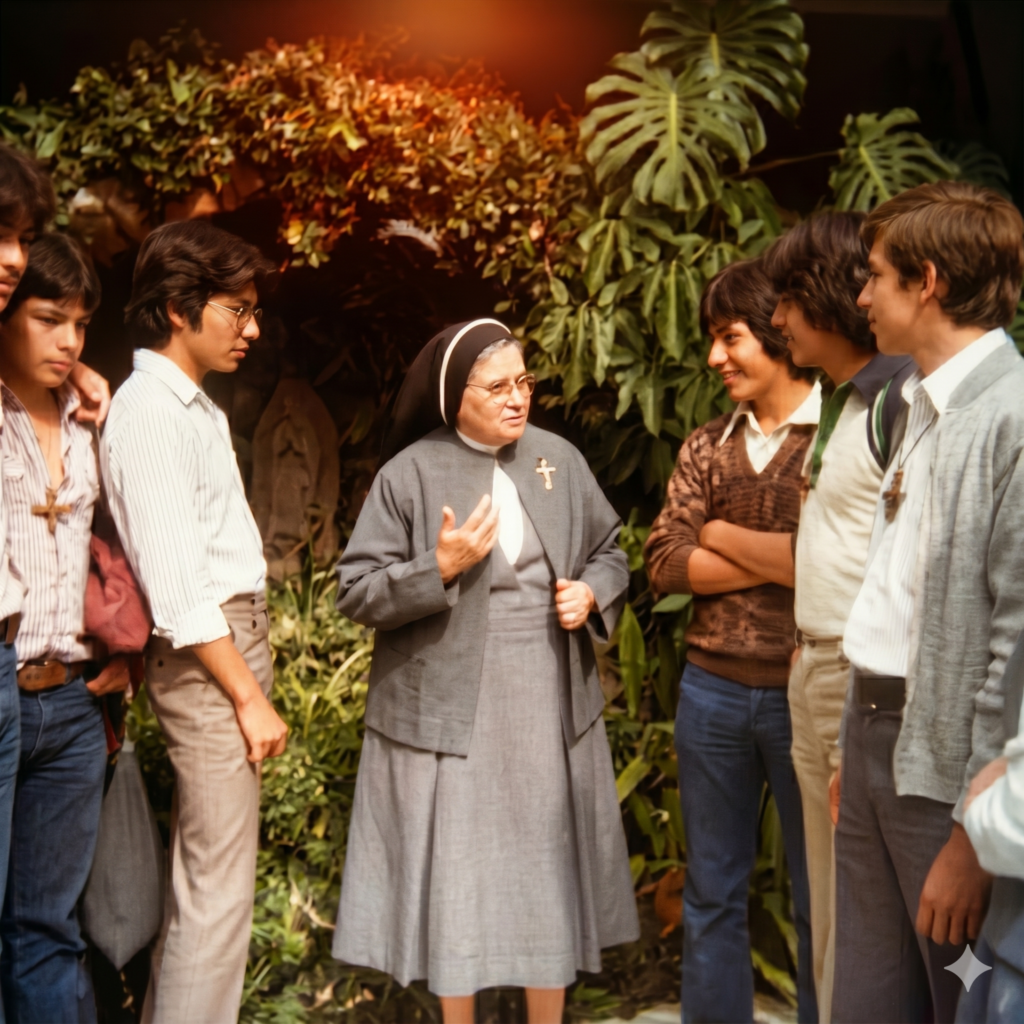
The life of Mother Inés was marked by a missionary fire that drove her to cross borders and engage with people from all walks of life. She visited the various missions to encourage, form, and revitalize her spiritual children in their ardent desire for holiness and the salvation of souls, giving concrete life to the motto: ‘Christ must reign at all costs.
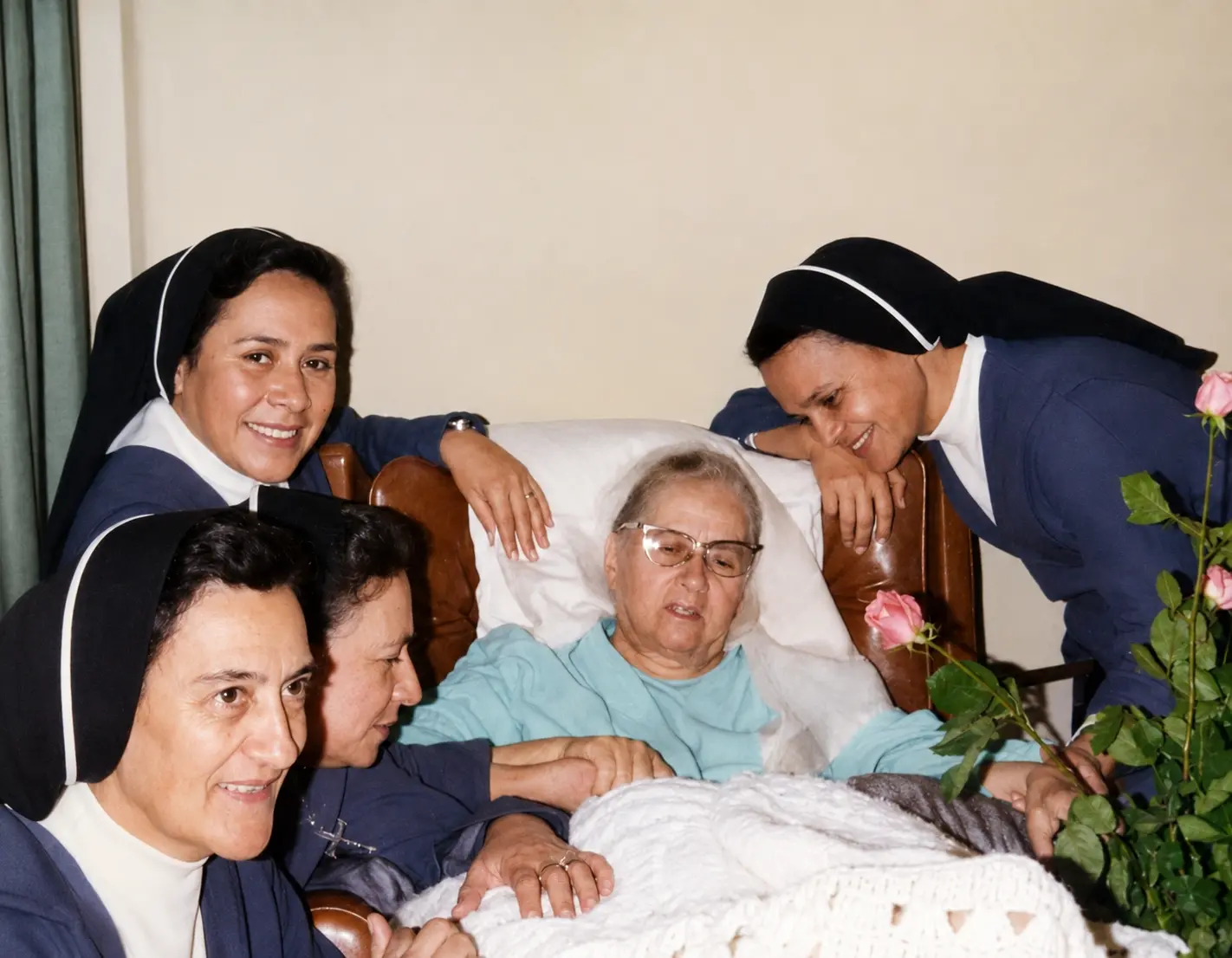
For nine months, she accepted a painful illness with a joyful ‘Fiat’ on her lips, giving thanks to God for everything. On July 22, 1981, after having spoken the words: ‘Yes, thank God, we are finished,’ she closed her eyes to the realities of this world to open them to eternal beauty.
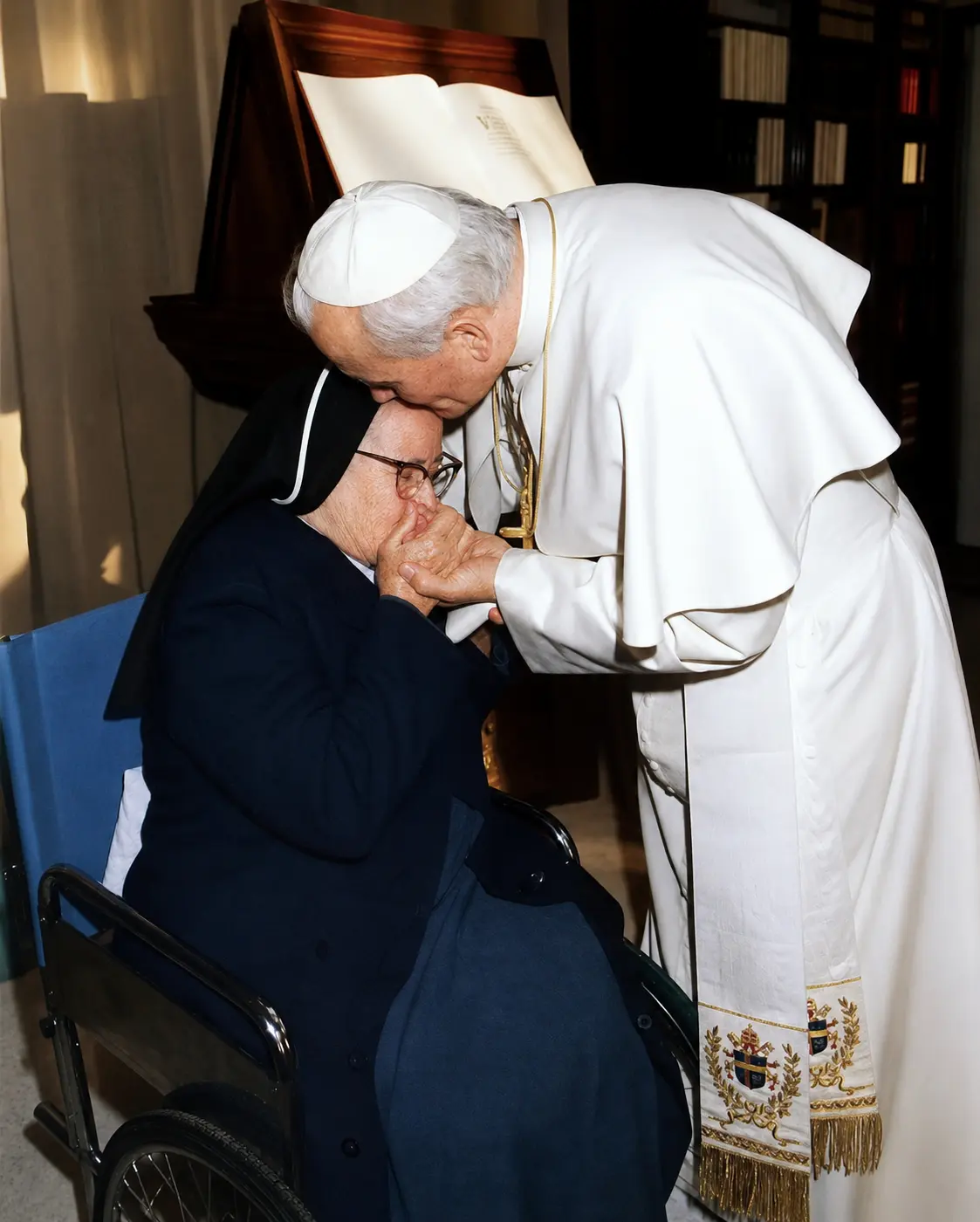
On October 31, 1992, the opening of the cause of canonization took place in the Diocese of Cuernavaca, Mexico, and on March 25, 1993, in the Diocese of Rome, Italy; both processes were officially closed in October and June 1996, respectively.
On June 17, 2001, at the ‘El Rocío’ ranch on the outskirts of Guadalajara, Jalisco, Mexico, the miracle recognized for her beatification took place. Francisco Javier Carrillo Guzmán, a child of one year and three months of age, was found floating in his family’s swimming pool. With deep faith, his family immediately entrusted him to the intercession of Mother María Inés Teresa of the Blessed Sacrament. He suffered asphyxiation from drowning, and resuscitation maneuvers were performed for 35 minutes with no response from young ‘Paquito.’ Although intubated, having regained color, he remained flaccid, without motor response; his dilated pupils did not react to light stimuli, and he was unable to breathe on his own. His condition worsened, and on Friday the 22nd he suffered multiple organ failure. The physicians planned to begin withdrawing extreme life-support measures so as not to prolong the child’s agony.
On that day, the Clarisse Missionaries of the Blessed Sacrament were celebrating a Solemn Mass of Thanksgiving for the Pontifical Approval of the Institute, and Paquito’s relatives attended the liturgy. Thus, the sisters joined the family in praying through the intercession of Mother María Inés Teresa of the Blessed Sacrament for the child’s recovery. That very night, the boy began to improve. Once he was out of danger, severe aftereffects were anticipated, particularly from a neurological standpoint; however, Francisco Javier made a full recovery with no scientific explanation. On June 27, 2011, Pope Benedict XVI confirmed the miracle attributed to the Mexican religious sister María Inés Teresa, approving her beatification.

In 2004, the Mother Inés Priestly Group was established; in 2009, the consecrated VanClar members took the name ‘Institute of Consecrated Inesian Missionaries’; and in 2010, the Eucharistic Family asked to join the Inesian Family, sharing the same spirituality. She wrote this prayer, born from her motherly heart:
““Allow me, Lord, to be for my brothers and sisters in religion the little star that illuminates their path, the little light that warms them; may I, from Your glory, continue to make fruitful through my work, my prayer, and my beatific adoration, the seed that I sowed on earth for Your greater glory, so that it may bear more and more fruit in the hands of the children who have followed me in the apostolic labors.””
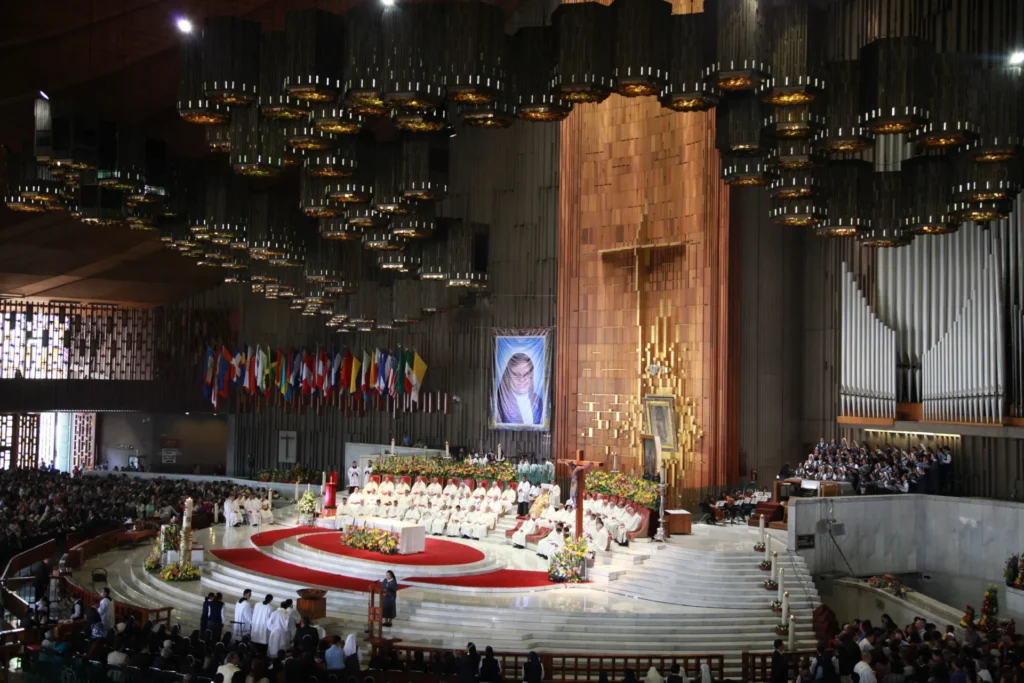
Mother María Inés Teresa of the Blessed Sacrament, a Mexican missionary without borders, was beatified on April 21, 2012, at 11:00 a.m. at the Illustrious and National Basilica of Our Lady of Guadalupe.

Download and delve into the spiritual legacy of our Blessed Mother Foundress.
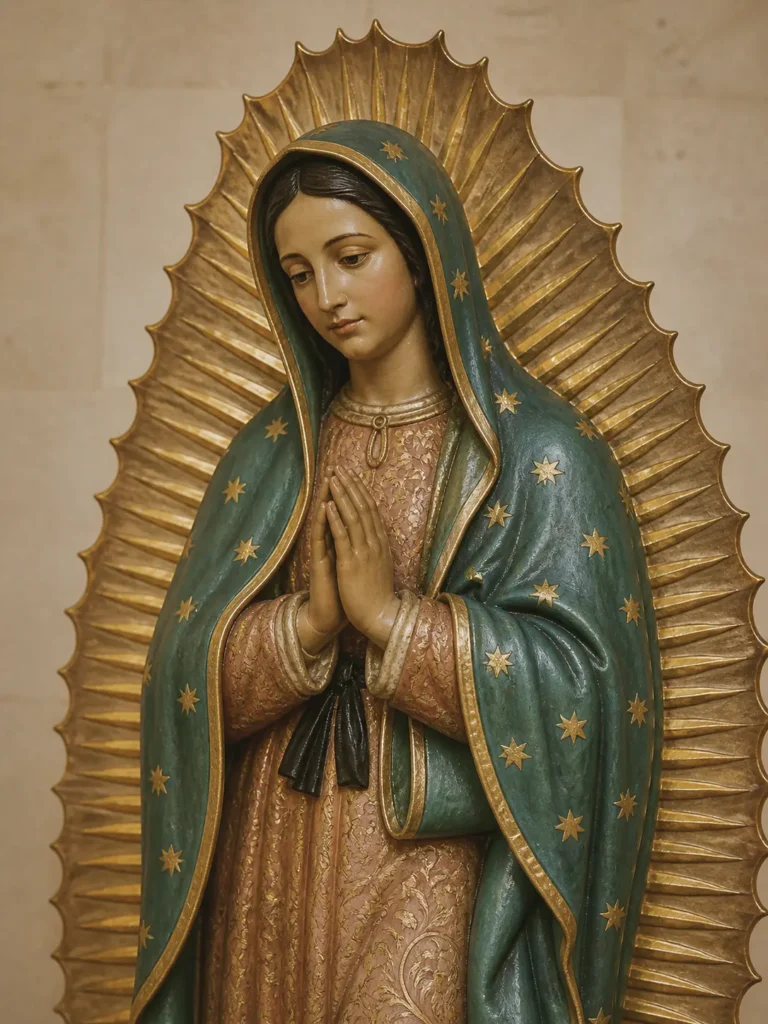
“If it is within God’s designs to make use of you for works of apostolate, I commit myself to accompany you in all your steps, placing on your lips the persuasive word that softens hearts, and in those hearts the grace they need. I also commit myself, through the merits of my Son, to grant to all those with whom you may have any relationship, even if only in spirit, sanctifying grace and final perseverance.”
San José fue el esposo de la Virgen María y el padre adoptivo de Jesús. La Biblia nos lo presenta como un hombre bueno, justo y trabajador. Era carpintero y artesano, y con su esfuerzo cuidó y sostuvo a la Sagrada Familia.
Su vida nos enseña el valor del trabajo hecho con amor y dedicación, y cómo desde lo sencillo se puede colaborar en los planes de Dios.
San José es patrono de toda la Iglesia, y también es copatrono de nuestra Congregación, las Misioneras Clarisas del Santísimo Sacramento. Desde los inicios, Madre María Inés lo eligió como protector de esta obra misionera, confiando en su ayuda y guía para acompañar a los misioneros en su camino.
Hoy seguimos sintiendo su cercanía, su silencio lleno de fe y su protección como padre amoroso.
La Virgen de Guadalupe se apareció en 1531 a Juan Diego, un hombre sencillo y creyente, en el cerro del Tepeyac (hoy parte de la Ciudad de México). Le pidió que se construyera un templo en ese lugar, como muestra de su amor y cercanía con su pueblo.
Desde entonces, la Virgen de Guadalupe es una madre muy querida, especialmente por los pueblos de América Latina. Ella es un símbolo de consuelo, esperanza y ternura para quienes confían en su intercesión.
Para nosotras, las Misioneras Clarisas del Santísimo Sacramento, la Virgen de Guadalupe tiene un lugar muy especial. El 12 de diciembre de 1930, durante su profesión religiosa, nuestra fundadora Madre María Inés Teresa vivió una experiencia espiritual profunda: sintió en su corazón que la Virgen le prometía acompañarla en su misión y darle las gracias necesarias para tocar los corazones de muchas personas
Desde ese día, María de Guadalupe es nuestra patrona y madre espiritual, y sabemos que camina con nosotras en cada paso de nuestra vocación misionera.

La alegría es una marca que queremos llevar siempre. Nuestra sonrisa no es solo por fuera, es una expresión de lo que sentimos por dentro: una gratitud profunda por ser llamadas por Dios y amadas por Él. Esa alegría brota de sabernos suyas, de saber que nuestra vocación es un regalo.

Para nosotras, Jesús en la Eucaristía lo es todo. Él es quien nos guía, quien nos ama y nos da fuerza. La misa, la adoración, y todo lo que rodea al Santísimo Sacramento es el centro de nuestra vida. Es el alimento que nos nutre el alma y el corazón.

Tenemos un cariño muy especial por la Virgen María. Ella es nuestra Madre, nuestra guía y nuestro refugio. En especial, reconocemos a la Virgen de Guadalupe como nuestra patrona. A Ella le confiamos nuestros sueños, nuestras misiones y la conversión de las almas.
Nuestra forma de ser misioneras no siempre es viajando o predicando con palabras. Muchas veces nuestra misión es rezar, ofrecer sacrificios y estar disponibles para ayudar en la conversión de los corazones. A través de la oración y el servicio, buscamos acercar a las personas al amor de Dios.

Sentimos que Jesús nos invita a seguirlo muy de cerca, como lo hizo en su vida pública, entregándose completamente a los demás. Nosotras también queremos vivir así: dándonos sin reservas y agradeciendo la oportunidad de ofrecer nuestra vida por amor, igual que lo hizo Él. Queremos ser una especie de “ofrenda viva”, unidas a Jesús Sacerdote, para el bien de todos.
Notifications


